


In modern industrial fluid transport and municipal water networks, the Dismantling Joint is a critical component for ensuring system flexibility, structural integrity, and long-term operational reliability. As a core part of DEVEL’s advanced piping solutions, it simplifies the installation, removal, and maintenance of heavy valves, high-capacity pumps, and flow meters, converting complex maintenance overhauls into routine, low-risk procedures.
What is a Dismantling Joint?
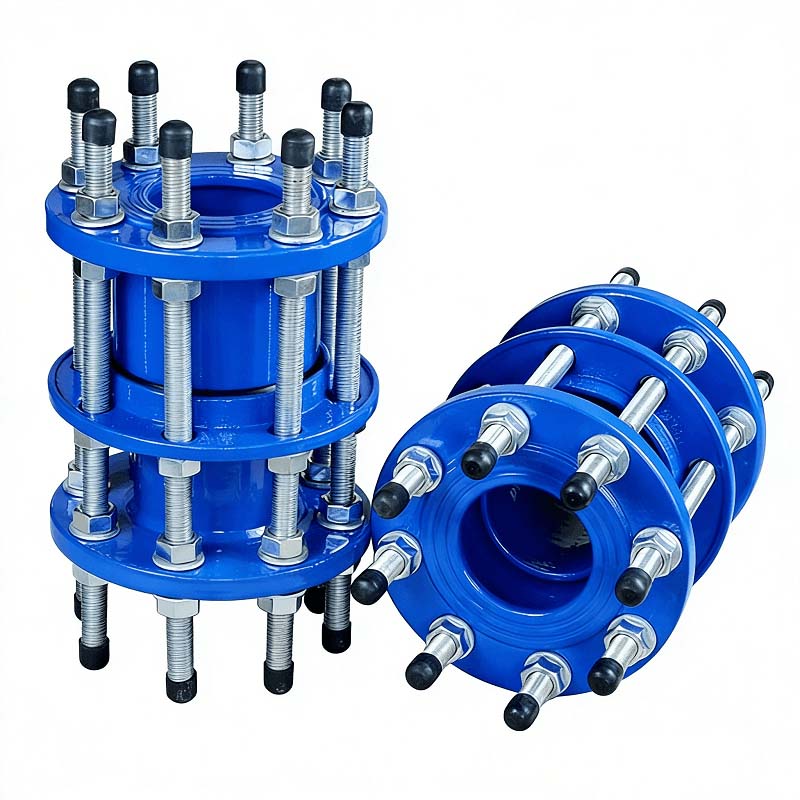
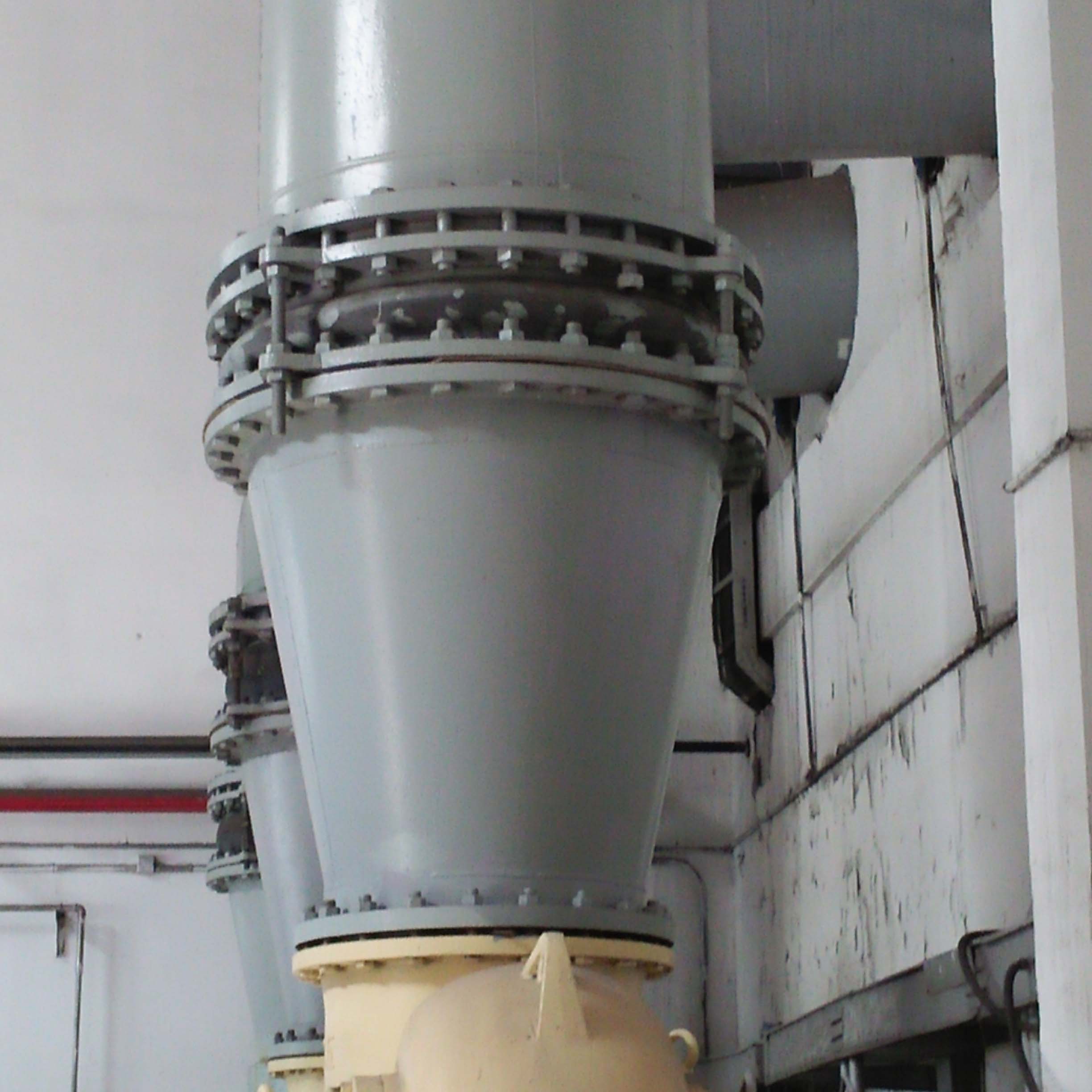
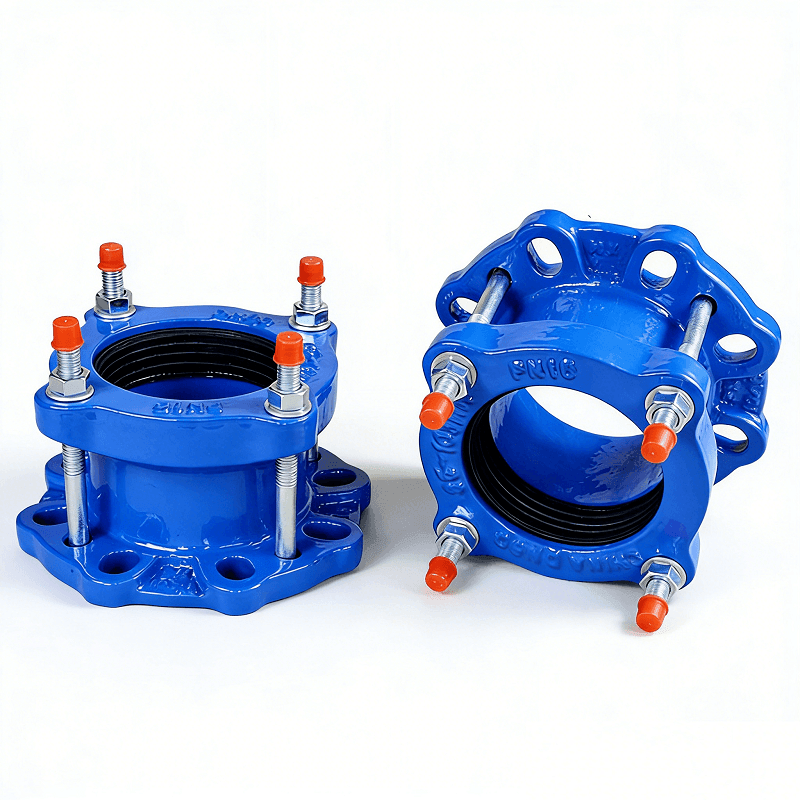
A dismantling joint is a double-flanged, longitudinal adjustment mechanical pipe fitting that acts as a telescopic connector between flanged components. Its primary role is to provide axial adjustment (longitudinal tolerance) within a predefined range. This adjustable configuration allows inline equipment to be assembled or dismantled without the need to cut existing pipelines, disturb structural foundations, or force flange alignment during system retrofits.
The DEVEL standard heavy-duty dismantling joint assembly consists of three primary components:
- Spigot Piece (Flanged Adaptor): Slides axially within the outer sleeve to provide the required installation clearance.
- Fanged Body & Sealing Ring: Houses the specialized elastomeric gasket (EPDM/NBR), ensuring a tight, high-pressure seal when compressed.
- Full-Length Tie Rods (Restraint Rods): Longitudinal high-tensile steel bars that span the entire length of the joint. These rods are critical for transferring hydrostatic thrust forces generated by internal line pressure, protecting adjacent equipment from catastrophic structural failure.
Key Technical Advantages of DEVEL Systems
Engineering a high-pressure piping network requires precise calculation of mechanical stresses. DEVEL dismantling joints offer distinct operational advantages:
- Stress-Free Axial Adjustment: By compensating for up to 50mm of dimensional deviations between pipeline sectors and equipment flanges, it eliminates residual stress and bent pipes during tight tie-ins.
- Advanced Thrust Restraint: Under high-pressure conditions, the integrated tie rods act as a rigid structural bridge, locking the joint into a fixed length. This effectively prevents the pipeline from pulling apart due to hydrostatic end thrust, shielding expensive pumps and valves from crushing mechanical loads.
- Reduced Maintenance Downtime: By facilitating the direct vertical removal of inline valves, it eliminates the need to loosen miles of upstream or downstream anchoring systems, shortening plant maintenance schedules and dramatically reducing labor costs.
Material Selection Based on Operating Fluid Conditions
| Material Option | Coating / Treatment | Best-Suited 工况 (Applications) |
|---|---|---|
| Ductile Iron (GGG40/50) | Fusion Bonded Epoxy (FBE) Coating | Municipal water distribution, wastewater plants, pumping stations |
| Carbon Steel (Q235 / A105) | Hot-Dip Galvanized / Custom Primer | High-pressure industrial cooling loops, power generation facilities |
| Stainless Steel (SS304 / SS316) | Pickling and Passivation Treatment | Chemical processing, desalination networks, food & pharma lines |
Typical Industrial Applications
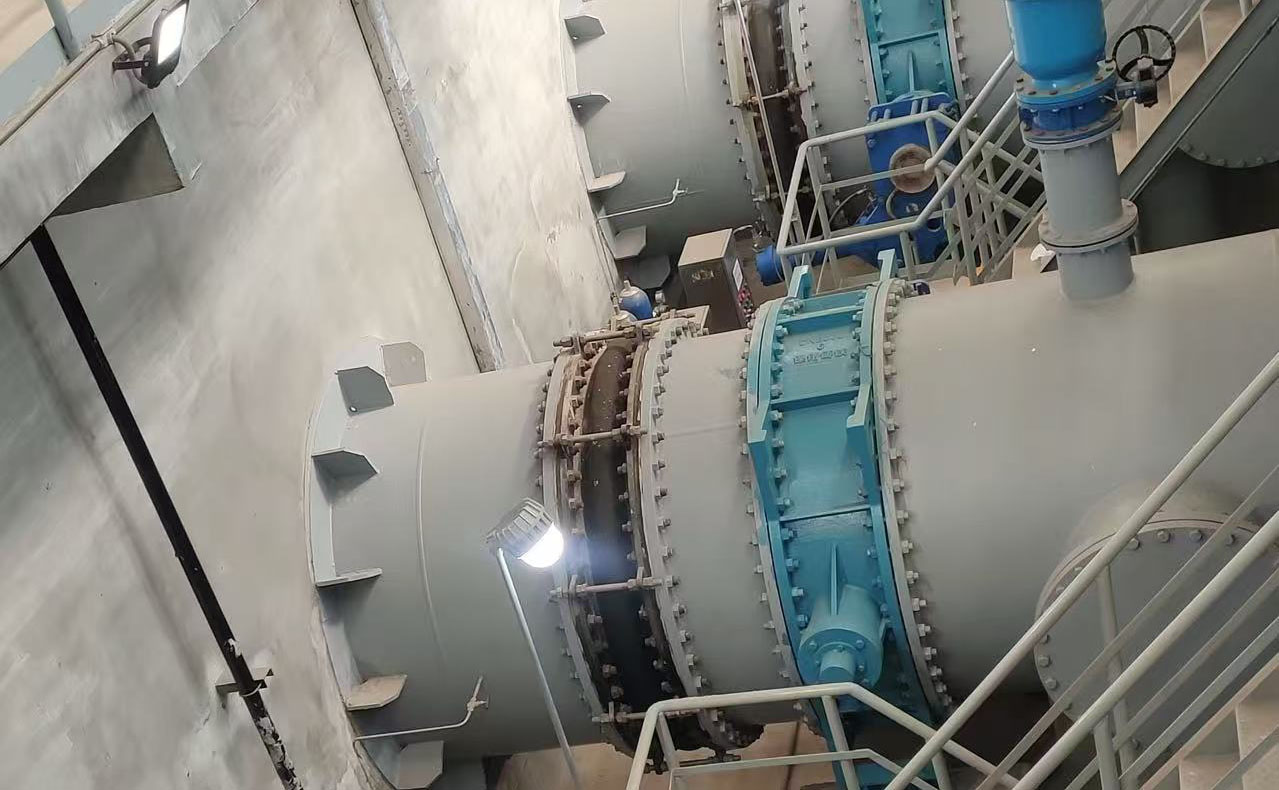
DEVEL fully-restrained dismantling joints are indispensable in complex, large-diameter or high-pressure installations where structural shifting cannot be tolerated:
- Water Treatment Plant Valve Chambers: Installed adjacent to butterfly valves and check valves to allow rapid seal replacement without dismantling the concrete thrust blocks.
- Power Plant Cooling Systems: Positioned near massive water intake pumps to absorb transient vibrations and pressure shocks under fluctuating electrical grid loads.
- Desalination and Marine Pipelines: Engineered with premium corrosion-resistant materials to withstand severe saltwater environments and high-velocity fluid flows.
Partner with DEVEL for Engineered Piping Solutions
With decades of specialized manufacturing heritage, DEVEL provides the structural expertise needed to navigate the complexities of modern hydraulic networks. We do not simply ship off-the-shelf fittings; our engineering team custom-calculates tie rod quantities and flange pressure ratings (PN10, PN16, PN25, PN40) based on your exact medium, flow parameters, and ambient installation conditions.
Are you looking for custom flange dimensions, specific pressure ratings, or dedicated coating materials for your next infrastructure project? Contact our technical engineering division today to secure an optimized asset layout proposal.