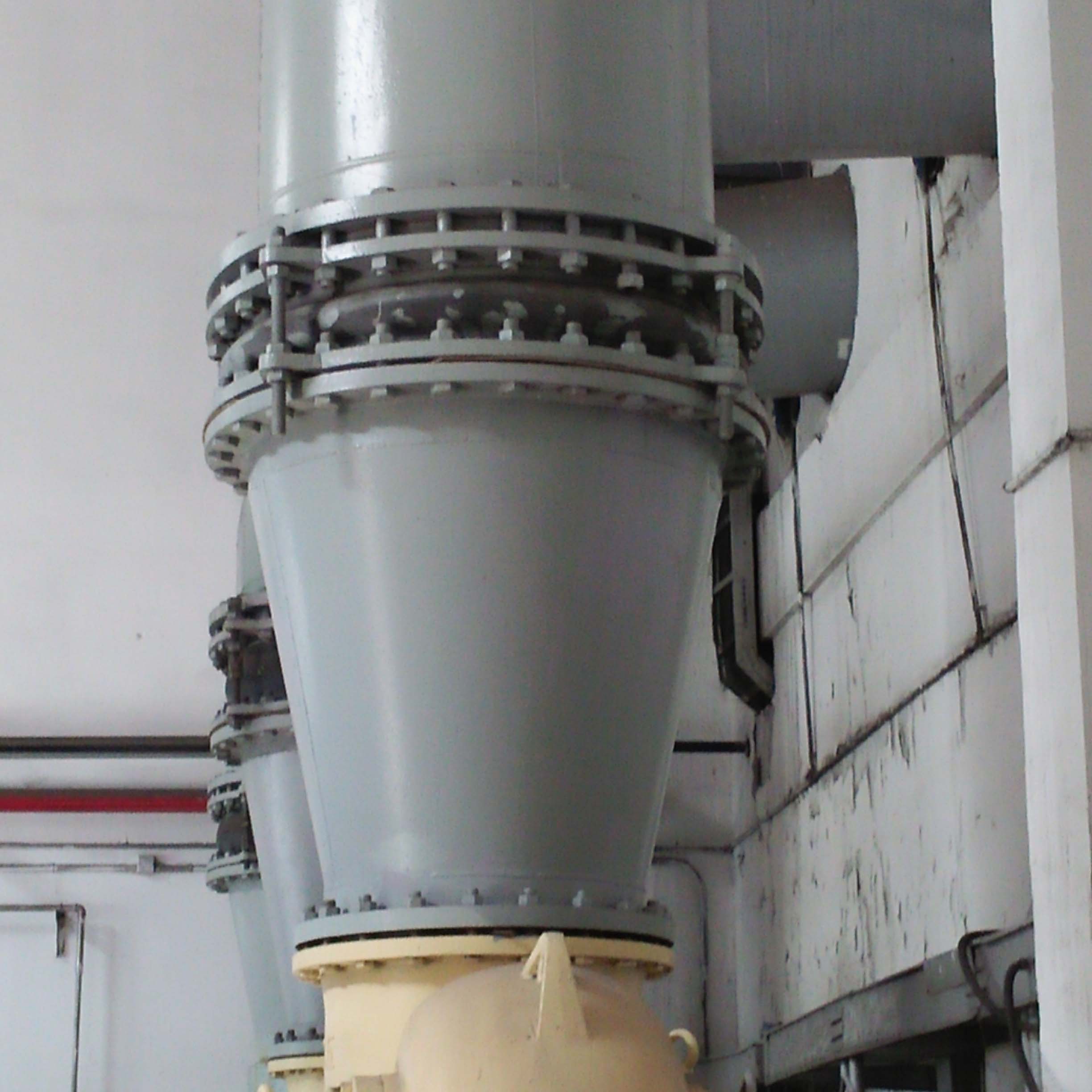




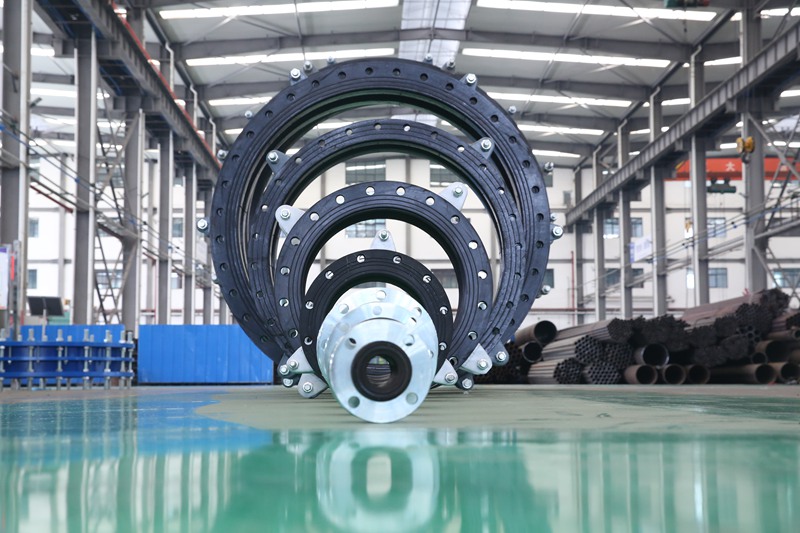
In modern industrial fluid networks, mechanical piping systems are subject to continuous dynamic stresses caused by hydraulic surges, thermal expansion, structural settlement, and high-frequency equipment vibration. A heavy-duty Rubber Joint—alternatively classified as an elastomeric expansion joint or flexible rubber connector—serves as a critical engineering solution designed to absorb multi-axis displacements, mitigate acoustic transmission, and isolate mechanical equipment from piping loads, ensuring uninterrupted operational security across demanding processing facilities.
1. Structural Architecture and Material Science
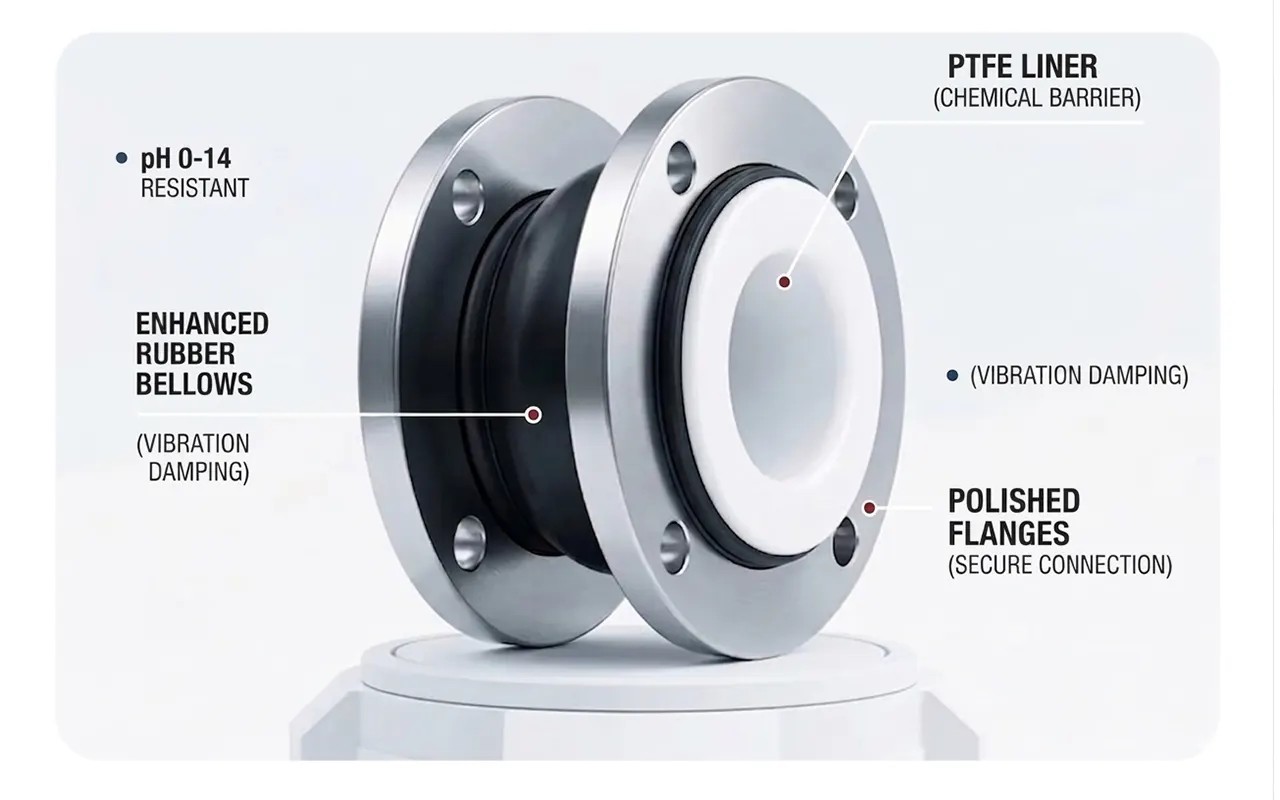
An industrial-grade rubber joint is a highly engineered composite pressure vessel. Its multi-layer construction is vulcanized under high-temperature and high-pressure parameters to form a seamless, isotropic elastomeric matrix. The core structural layers comprise:
- Internal Elastomeric Liner (Tube): A continuous, seamless layer engineered to withstand direct exposure to the fluid medium, preventing chemical permeation, erosion, and thermal degradation.
- Bias-Ply Reinforcement Matrix: Multiple layers of high-tenacity, rubber-coated synthetic nylon cord cross-plied at calculated angles to sustain full internal operating pressures and resist vacuum collapse.
- Embedded Steel Bead Rings: Solid, high-tensile steel rings embedded securely within the raised rubber face to lock the bellows profile between the rotating metal flanges, preventing flange pull-out under dynamic pressure surges.
- External Elastomeric Cover: A rugged outer wrapper formulated to resist atmospheric aging, ozone oxidation, ultraviolet radiation, and accidental chemical spillage.
2. Engineering Classification Matrix
To ensure precise mechanical integration, flexible connectors are categorized based on their geometric configurations, connection interfaces, and operational capabilities:
- Geometric Design Profiles: Available in Single Sphere, Double Sphere, Concentric Reducing, and Eccentric Reducing designs to accommodate varying structural space limitations and spatial alignment deviations.
- End Connections: Designed with full-faced floating flanges conforming to ASME B16.5, EN1092-1, or JIS B2220 standards, utilizing hot-dip galvanized carbon steel or stainless steel retaining rings. Threaded unions or grooved clamp configurations are utilized for smaller diameter sub-systems.
- Material Formulations: Compounds are specified according to medium chemistry: Standard EPDM for water and HVAC loops; High-Acn Nitrile (NBR) for hydrocarbons and oily media; Neoprene for marine cooling systems; and Fluoroelastomer (FKM) for aggressive chemical dosing.
3. Technical Parameters: Working Pressure & Displacement Limitations
| Nominal Rating | Working Pressure Limits | Burst Safety Factor | Primary Displacement Capability |
|---|---|---|---|
| Low Pressure (LP) | 0.25 MPa to 0.6 MPa | ≥ 300% (3:1 Margin) | High vibration attenuation, low-amplitude axial adjustment |
| Standard Pressure (SP) | 1.0 MPa to 1.6 MPa | ≥ 300% (3:1 Margin) | Balanced multi-axis compression, elongation, and lateral shear |
| High Pressure (HP) | 2.5 MPa to 6.4 MPa | ≥ 400% (4:1 Heavy Duty) | High-tensile reinforcement optimized for critical hydraulic networks |
4. Engineering Performance Analysis
Unlike rigid metal loops, engineered rubber connectors introduce strategic flexibility into industrial infrastructure, yielding verified operational advantages:
- Multi-Axis Displacement Absorption: Capable of accommodating simultaneous axial compression, axial extension, lateral deflection, and angular rotation, thereby compensating for unavoidable thermal cycling and pipe settlement.
- Acoustic and Vibration Isolation: Due to the low mechanical impedance of elastomeric compounds, these joints act as highly efficient vibration dampeners when installed adjacent to pumps and compressors, breaking up structural noise transmission lines and protecting sensitive downstream instrumentation.
- Hydraulic Surge Buffering: The elastic bellows structure functions as a localized surge absorber, expanding slightly to attenuate sudden water hammer effects and transient pressure spikes.
5. Industrial Deployment Fields
DEVEL heavy-duty flexible rubber joints are specified globally across high-consequence processing environments, including:
- Heavy Chemical and Hydrocarbon Processing: Transferring highly concentrated corrosive chemicals, technical wastewater, and petrochemical derivatives.
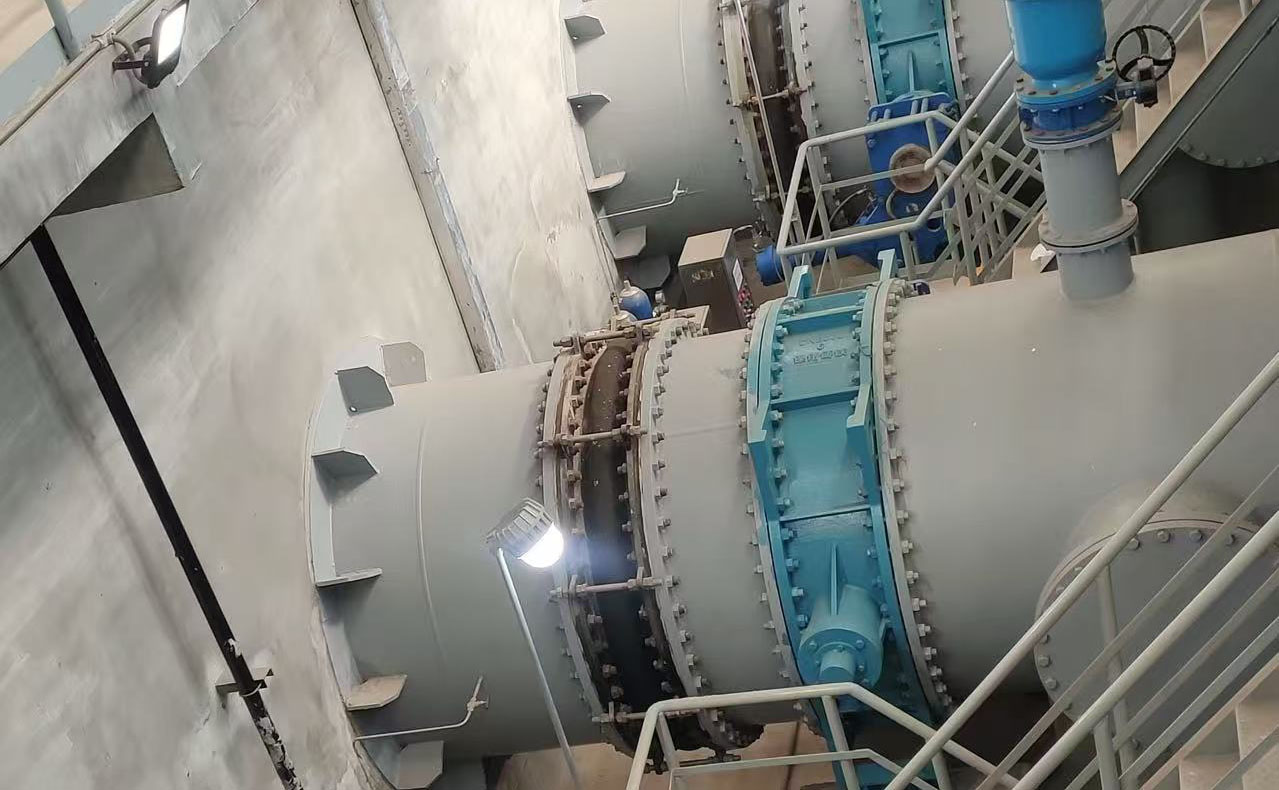
- Municipal Water Utilities and Desalination Plants: Positioned within large-diameter intake and outflow pump stations to sustain raw water and high-brine fluid flows.
- Power Generation and HVAC Infrastructures: Managing thermal expansion cycles in cooling tower piping, condenser connections, and central district heating networks.
6. Standardized Field Installation and Predictive Maintenance
To avoid premature degradation and maximize asset service life, field operators must comply with standardized installation protocols:
Natural State Alignment: Rubber connectors must be installed strictly within their designed face-to-face dimensions. Forcing a flexible joint to bridge severe field piping misalignment creates structural pre-loading, significantly reducing its fatigue life and pressure-bearing thresholds.
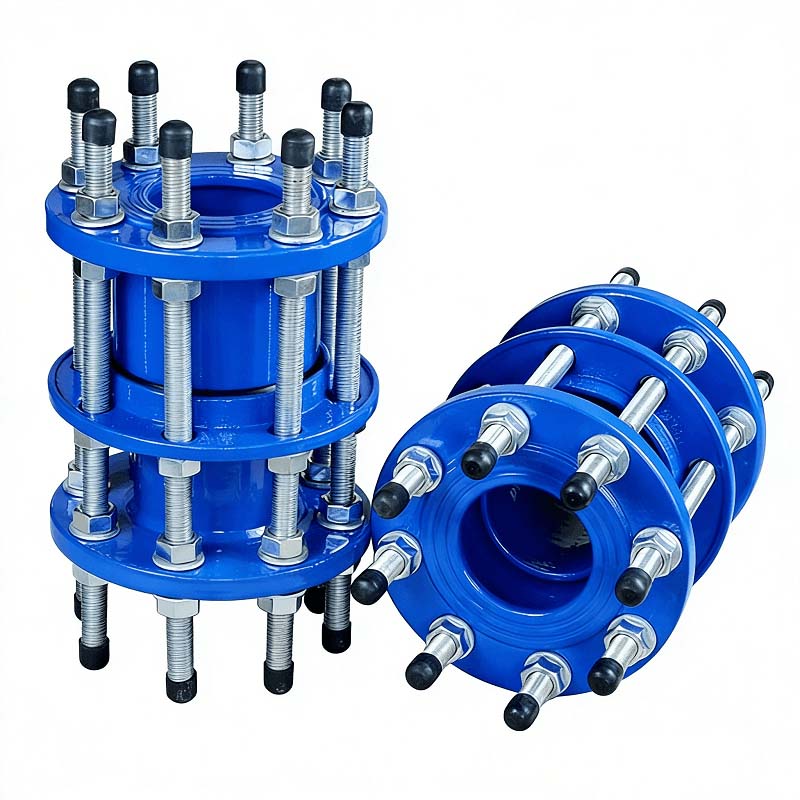
Thrust Restraint Configuration: When pipelines are suspended or lack rigid anchor points capable of absorbing pressure end thrust, the implementation of mechanical control unit assemblies (gusset plates and limit rods) is mandatory to prevent over-elongation and subsequent bellows rupture.
Torque Profile Execution: Flange bolts must be lubricated and torqued progressively in a star-pattern sequence using calibrated torque wrenches to ensure uniform sealing pressure across the elastomeric seating face, avoiding localized material shearing.
7. Engineering Consultation and Quality Assurance
DEVEL is a manufacturer of critical fluid control and piping components, producing high-performance elastomeric flexible connections compliant with FSA (Fluid Sealing Association) design handbooks and international QA frameworks. Our technical engineering division performs comprehensive design reviews—evaluating system velocity indices, particle size distributions, chemical concentrations, and dynamic movement vectors to deliver optimized, asset-matched layouts. Engineering institutes and procurement teams can submit complex project specifications directly to our industrial engineering division for technical compliance mapping and technical estimation.