



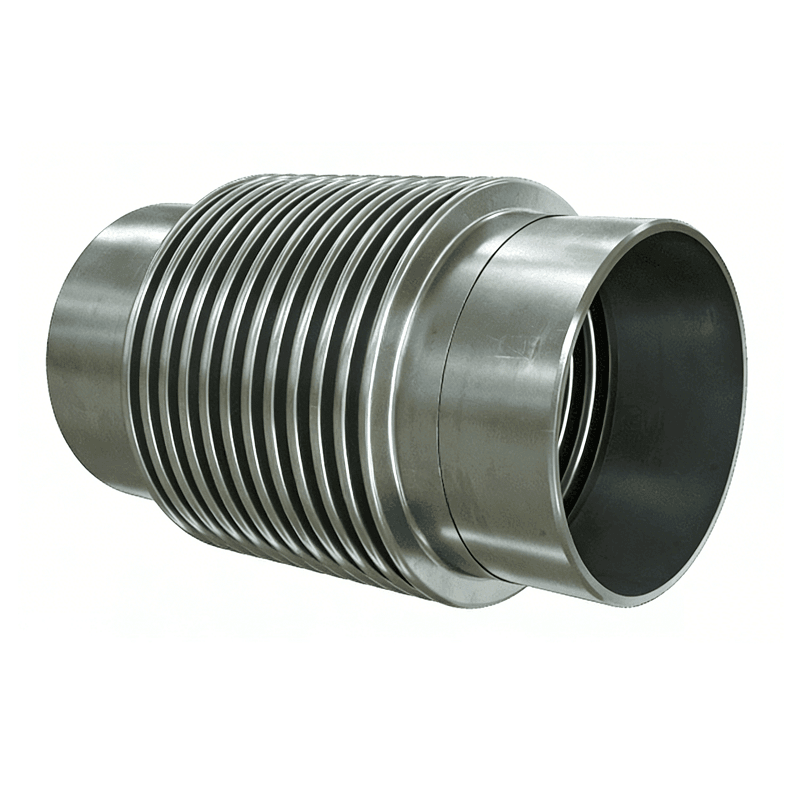
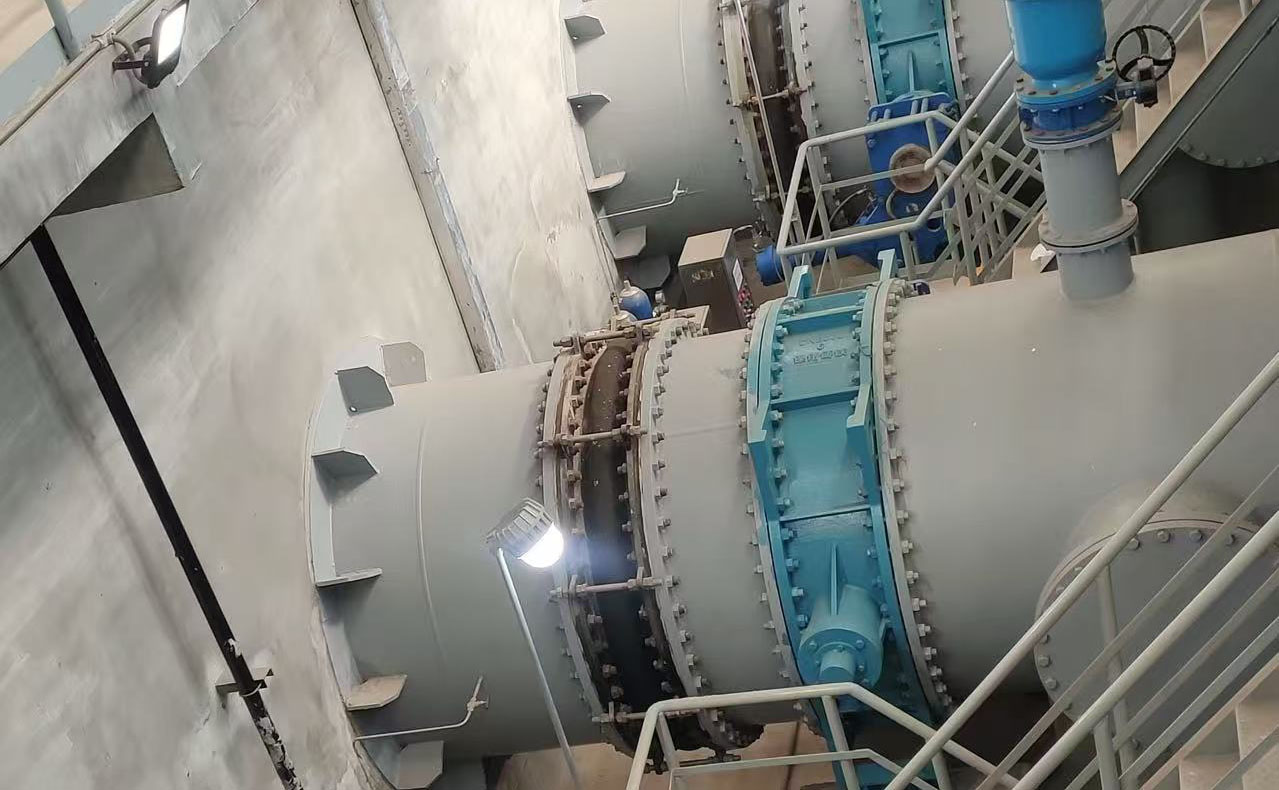
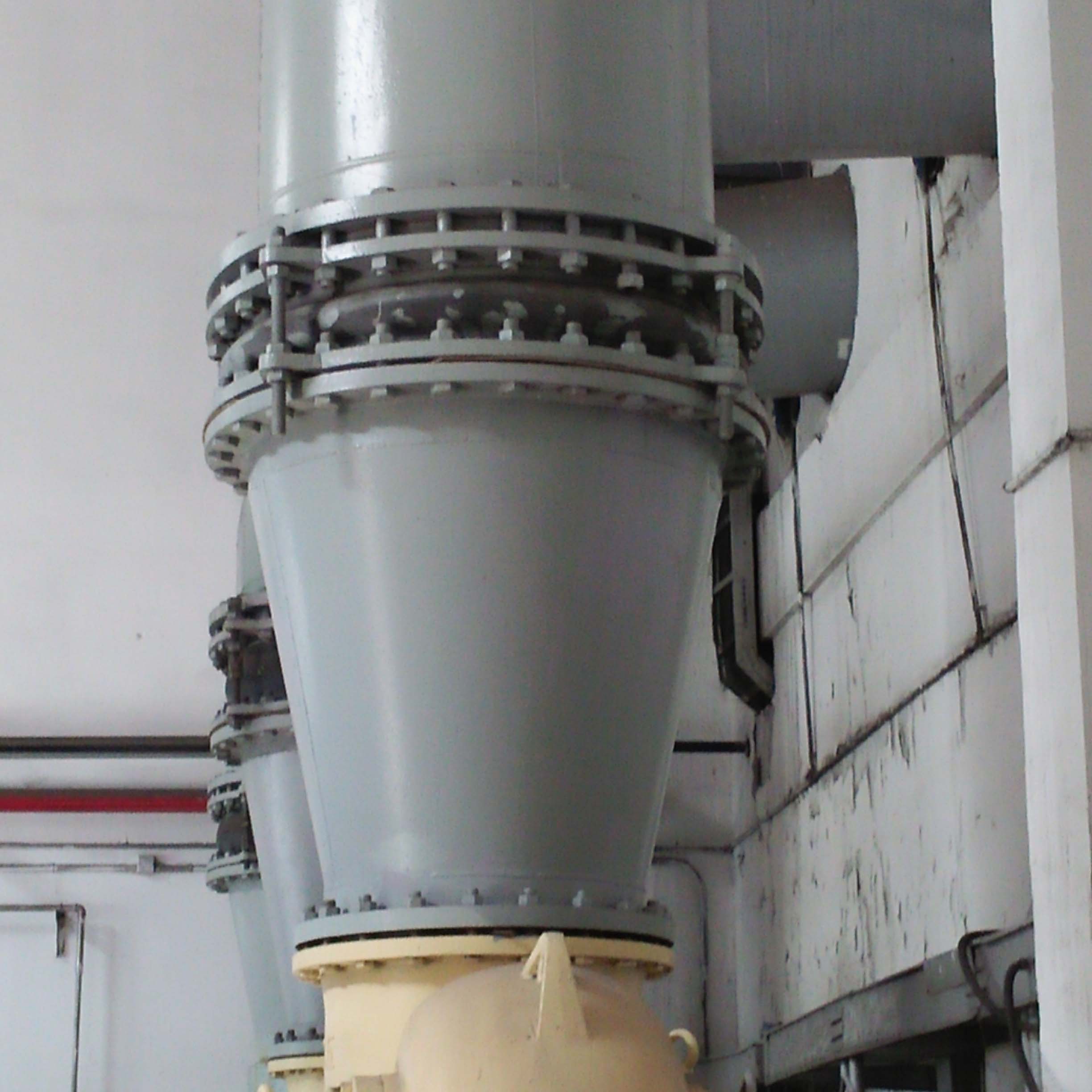
In high-pressure thermal piping networks, localized structural stress concentrations caused by thermal elongation, seismic settling, and mechanical equipment displacement represent a continuous risk to containment integrity. A heavy-duty Bellows Compensators Assembly—conventionally classified as a metallic expansion joint—serves as a primary flexible boundary engineered to absorb multi-axis dimensional shifts. By utilizing the controlled elastic deformation of precision-formed metallic convolutions, these components mitigate pipe stress, eliminate fatigue cracking, and prevent catastrophic flange leaks across demanding industrial processing lines.
1. Structural Geometry and Metallurgy
An industrial bellows compensator is a highly calculated flexible pressure vessel. Its mechanical performance relies heavily on the cross-sectional geometry of its convolutions and the metallurgy of the flexible element. The complete technical assembly comprises:
- Corrugated Metallic Bellows: The primary flexible core, fabricated utilizing advanced hydraulic or mechanical forming processes. To ensure optimal fatigue life under high cyclic thermal loads, it is typically manufactured from premium austenitic stainless steels (SS304, SS316L, SS321) or high-nickel superalloys (Inconel 625, Hastelloy) for chlorine-induced stress corrosion cracking mitigation.
- Multi-Ply Bellows Architecture: For high-pressure parameters combined with large movement requirements, a multi-ply (multi-layer) bellows configuration is utilized. Multiple thin layers of metal slide against each other during displacement, providing high flexibility while maintaining an identical pressure rating to a thick, rigid single-ply wall.
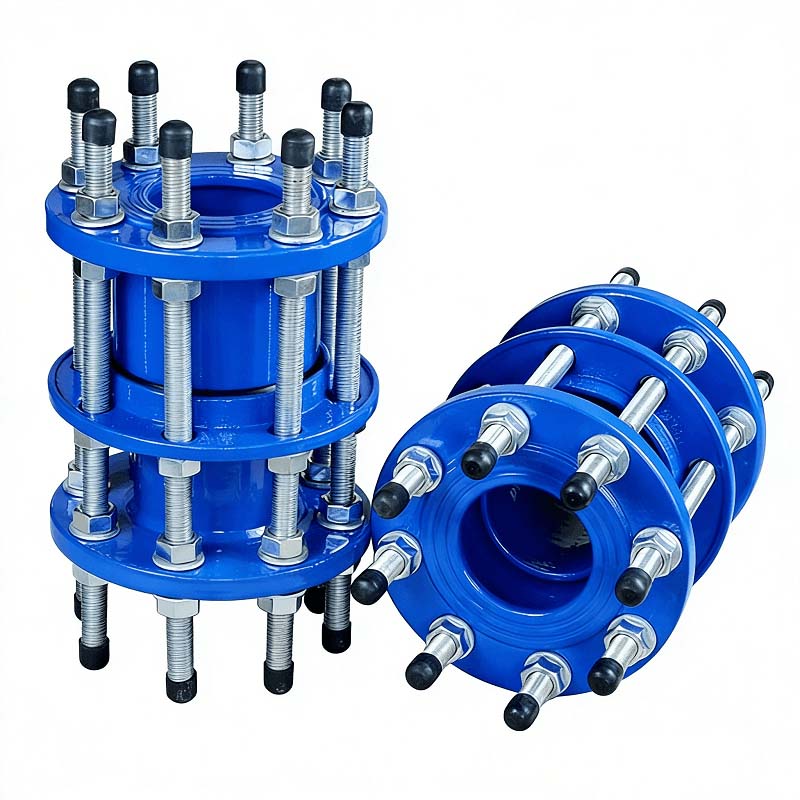
- End Terminations: Configured with welded pipe ends (weld necks) for permanent inline containment, or floating/fixed flanges conforming to global standards (ASME B16.5, EN1092-1, DIN) in carbon steel or stainless steel.
2. Kinematic Displacement Modes
Piping stress analysts categorize metallic compensators based on their directional displacement limits. Systems must be engineered to sustain exact multi-axis movements:
- Axial Bellows Compensators: Designed strictly to absorb longitudinal compression and extension along the centerline of the pipe axis. Spliced loops must be rigidly anchored to prevent column instability (squirm).
- Lateral / Universal Compensators: Comprising two distinct bellows sections connected by a center spool piece, allowing the assembly to absorb multi-directional shear offsets perpendicular to the pipe centerline.
- Angular / Hinged Compensators: Equipped with structural mechanical hinges or gimbals that restrict axial movement while permitting angular rotation in single or multiple planes, effectively absorbing structural thermal growth in complex geometric pipe loops.
3. Engineering Parameters: Pressure Containment Types
| Configuration Profile | Pressure Boundary Mechanism | Primary Engineering Advantage |
|---|---|---|
| Internal Pressure Type | Fluid flows through the inside of the corrugations, placing the metal under tensile load. | Economical structural profile. Best for low-to-medium pressure utility pipelines (HVAC, municipal heating, low-pressure steam lines). |
| External Pressure Type | Fluid media surrounds the outer surface of the bellows within a protective pressure shell, inducing compressive loads. | Eliminates column squirm. Safely accommodates high-amplitude axial compression lengths. Ideal for long-distance superheated steam networks. |
4. Critical Auxiliary Hardware Configurations
To maximize operational safety under harsh flow kinetics, metallic compensators are systematically reinforced with specialized internal and external hardware:
Internal Flow Liners (Sleeves): Recommended for flow velocities exceeding 5 m/s for gases or 2 m/s for liquids. The liner shields the internal convolutions from direct fluid impingement, prevents flow-induced harmonic resonance, and minimizes erosion caused by abrasive particulate matter.
External Shrouds (Covers): Protect the thin metallic corrugations from external impact, mechanical damage during construction, environmental contamination, and aggressive atmospheric chemical pooling in coastal or refinery settings.
Tie Rods and Limit Hardware: Longitudinal constraints engineered to transfer hydrostatic end thrust forces (blind plate forces) under high system pressures, preventing the bellows from over-extending beyond its maximum design limit during unpredicted transient pressure shocks.
5. Global Quality Standards and Testing Compliance
DEVEL industrial bellows compensators are engineered in strict compliance with the calculations and criteria dictated by the EJMA (Expansion Joint Manufacturers Association) standards, alongside ASME Section VIII, Div 1 and ISO 15348 technical codes. Every unit undergoes rigorous non-destructive testing (NDT) mapping to eliminate field failure modes. Quality control protocols mandate certified 100% dye-penetrant (PT) testing on convolution longitudinal weld lines, radiographic (RT) validation on high-pressure pressure-retaining seams, and a mandatory factory hydrostatic leak and pressure retention test up to 1.5 times the designed operating pressure prior to final packaging release.
6. Engineering Collaboration and Technical Procurement
DEVEL is an established manufacturer of high-consequence fluid control structures and metallic bellows expansion assemblies, delivering tailored engineering solutions over catalog parts. Our dedicated technical design division cross-analyzes complex pipeline layouts, dynamic cycle frequency counts, flow velocity indices, and medium corrosivity profiles to model optimized single-ply, multi-ply, or externally pressured compensator networks. Engineering procurement firms, EPC contractors, and design institutes can transmit specialized pipeline drawings and datasheet criteria directly to our industrial engineering department for technical evaluation and structural compliance mapping.
发表回复