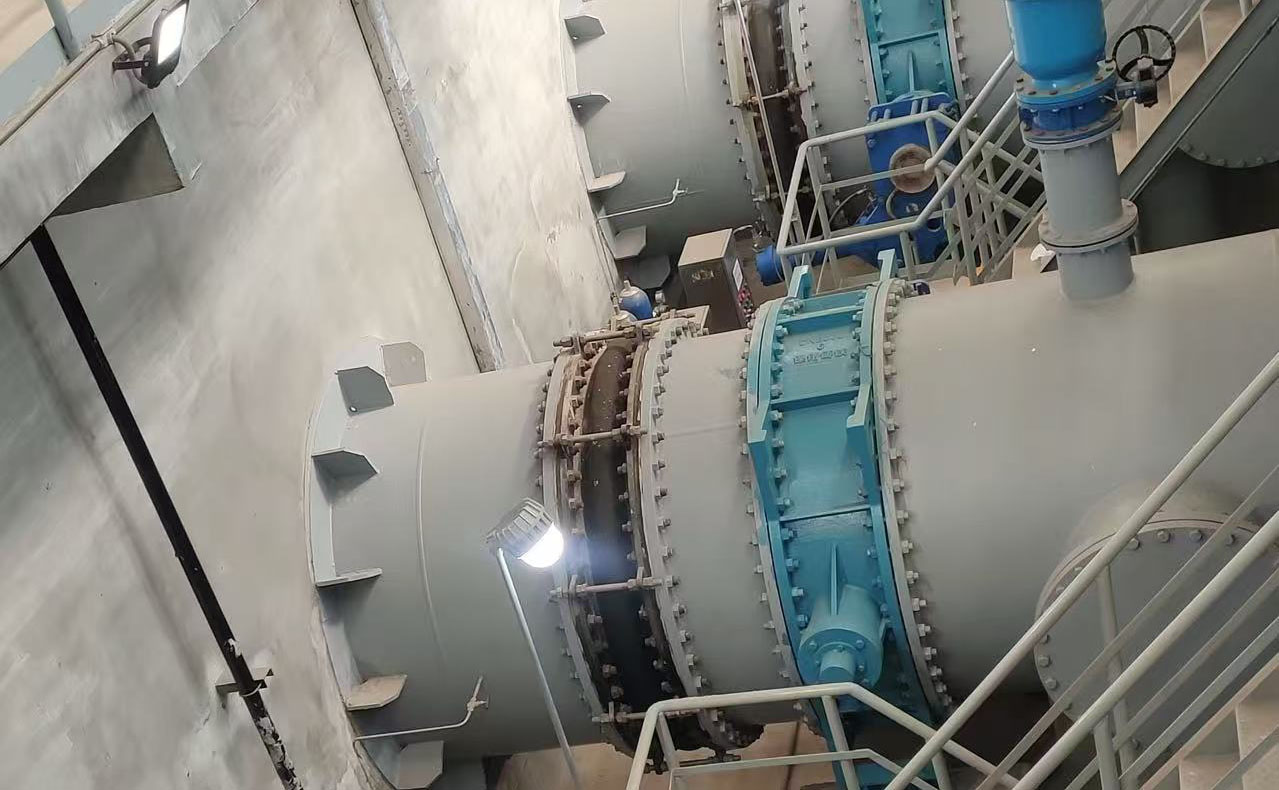

Case Study
Industry: Industrial Ducting & Piping Systems
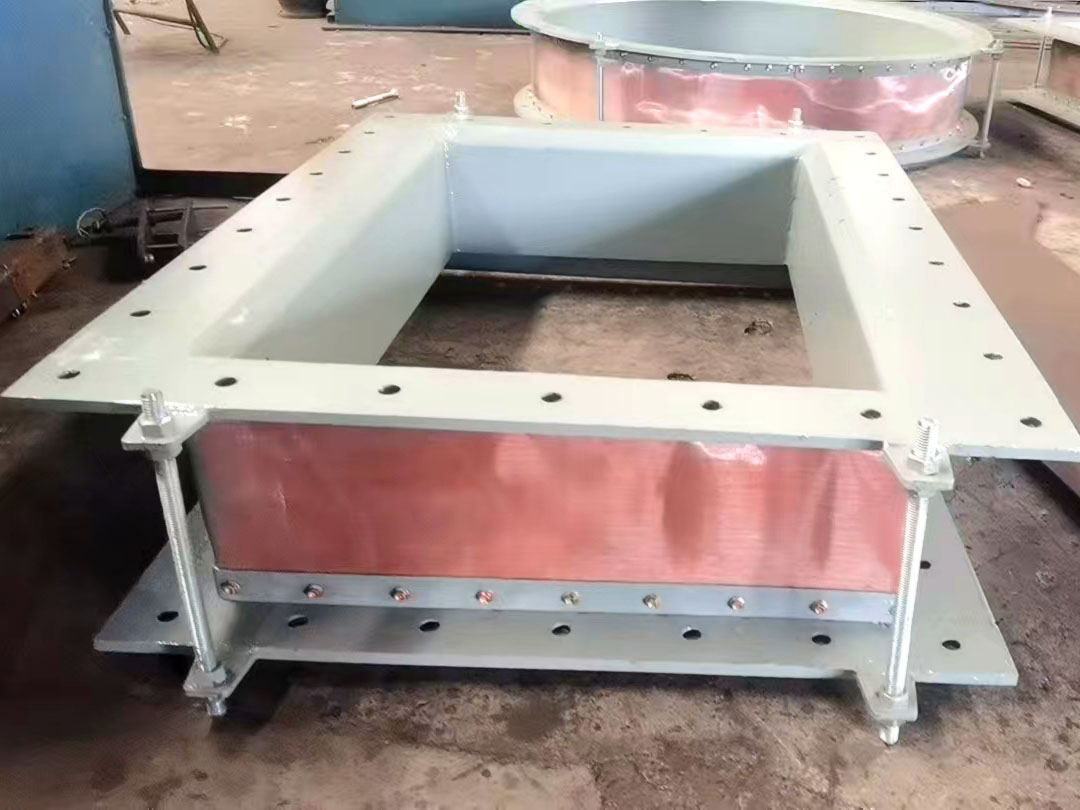
In heavy industrial ducting systems, a “standard” catalog product rarely fits a complex real-world site. Custom-engineered solutions demand flawless technical coordination. Recently, Henan Devel Fluid Equipment Co., Ltd. successfully engineered, manufactured, and shipped a batch of highly customized Rectangular Reducing Fabric Expansion Joints equipped with internal flow liners, proving our commitment to a “Zero-Error on Site” philosophy.
The Challenge: Discovered Mismatched Flanges & Flow Direction Risks
The project kicked off pre-holiday with full payment, but on-site engineering adjustments delayed the final measurements. When the client’s team provided the post-holiday field data, our engineering review flagged a major technical anomaly: The structural dimensions of the inlet and outlet flanges were inconsistent (Reducing/Transition type).
⚠️ Critical Technical Risk Identified
For a high-performance joint with an internal steel flow liner (baffle), this is critical. The internal liner protects the multi-layer fabric skin from direct erosion by high-velocity ash or gas. Because the two ends were mismatched, the medium’s flow direction became ambiguous. If we manufactured the liner based on assumptions and the client installed it backward, the flowing medium would catch the lip of the liner, destroying the joint instantly.
Our Approach: Strict Technical Drawing Approval
Despite urgent delivery inquiries from the owner’s procurement manager, we refused to guess. In heavy industry, guessing equals failure. We chose a meticulous data realignment strategy:
1. Halting the Line for Safety
We immediately paused production and prepared custom technical drawings highlighting the exact overlap risks of the inner sleeve.
2. Direct Engineering Alignment
We bypassed administrative delays and communicated directly with the site’s technical team, requesting a physical re-verification of the gas flow orientation on the ducting line.
3. Final Blueprint Sign-off
Once the field engineers confirmed the exact flow path, we updated the manufacturing blueprint, specified the tapering geometry of the internal liner, and secured the official technical sign-off.
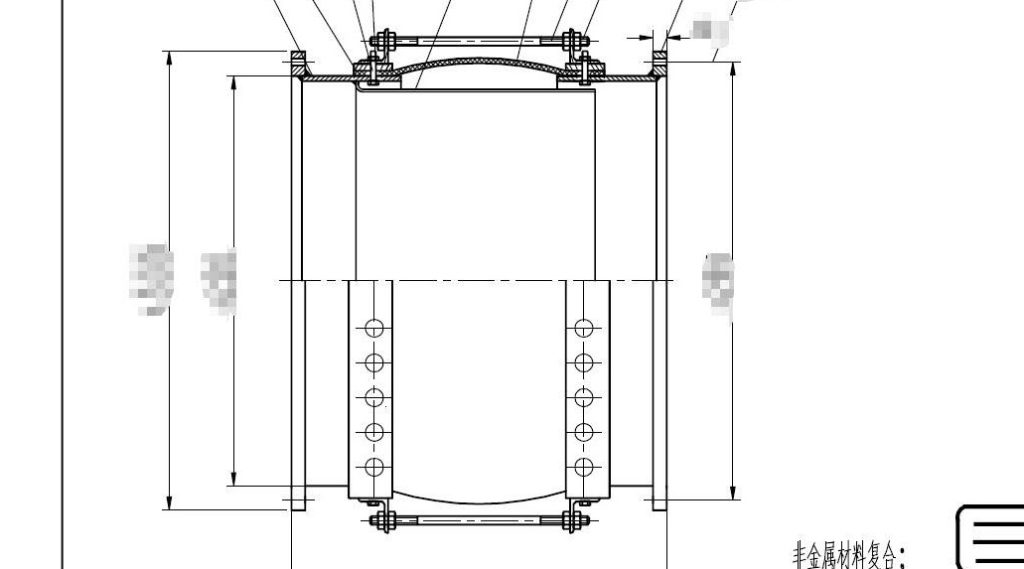
Figure 1: Verified engineering blueprint aligned with precise flow directions and reducing flange geometry.
Manufacturing Highlights & Quality Control
With the technical blueprint locked in, our workshop executed production with strict adherence to industrial standards:
- Premium Multi-Layer Insulation Skin: The fabric skins were tailored using heavy-duty, multi-layer composite materials sewn with reinforced industrial stitching to handle extreme thermal movements and vibration.
- Tailored Internal Liners: The internal stainless steel liners were perfectly tapered and welded to match the reducing flange geometry, ensuring smooth aerodynamics without turbulence.
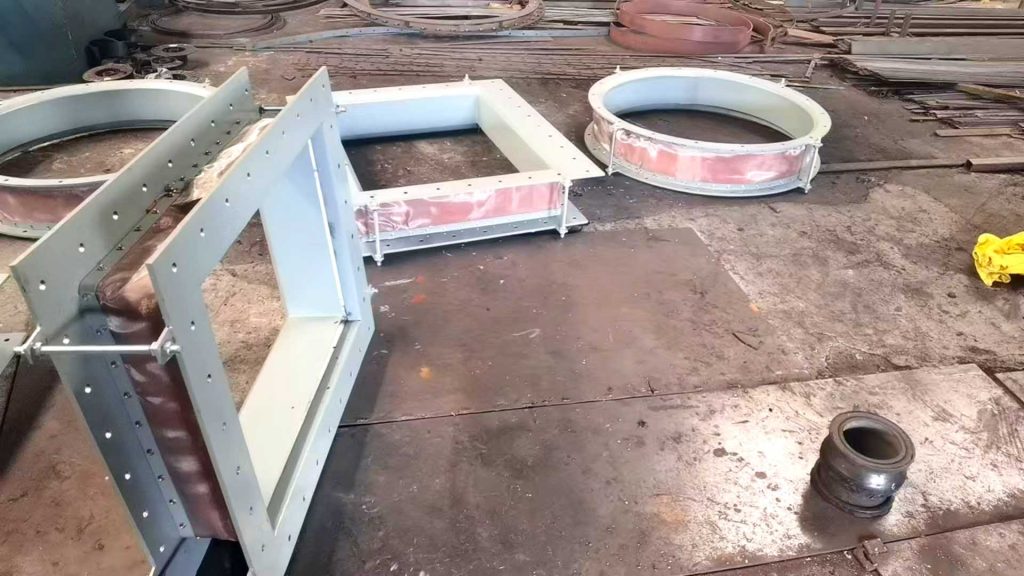
Figure 2: Meticulous industrial stitching on the multi-layer heat-resistant fabric skin.
Technical Specifications of This Batch
| Parameter | Specification / Standard |
|---|---|
| Product Type | Rectangular Fabric Expansion Joint (Reducing / Transition) |
| Skin Structure | Multi-layer Thermal Composite Material (Reinforced Stitching) |
| Internal Liner | Custom Tapered Stainless Steel (Anti-erosion Baffle) |
| Design Philosophy | 100% On-site Custom Matching & Prior Drawing Approval |
“Everything we do stems from the client’s actual on-site needs. We would rather spend extra days communicating and cross-checking data than rush a product that fails to fit when it arrives at the project site.”
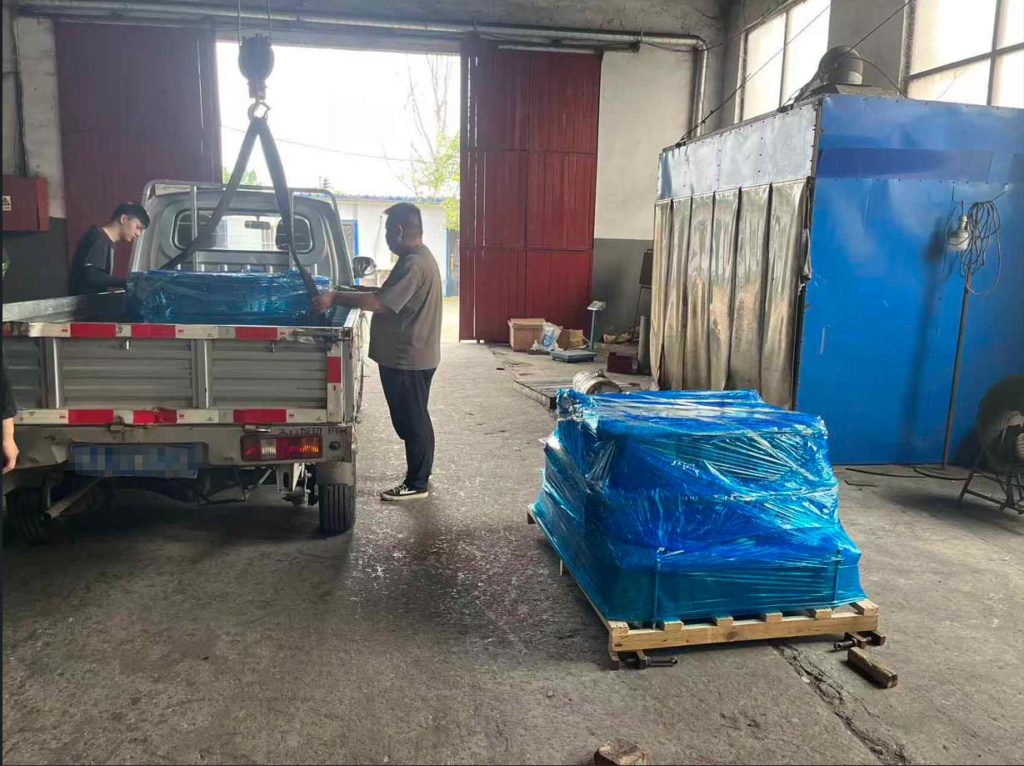
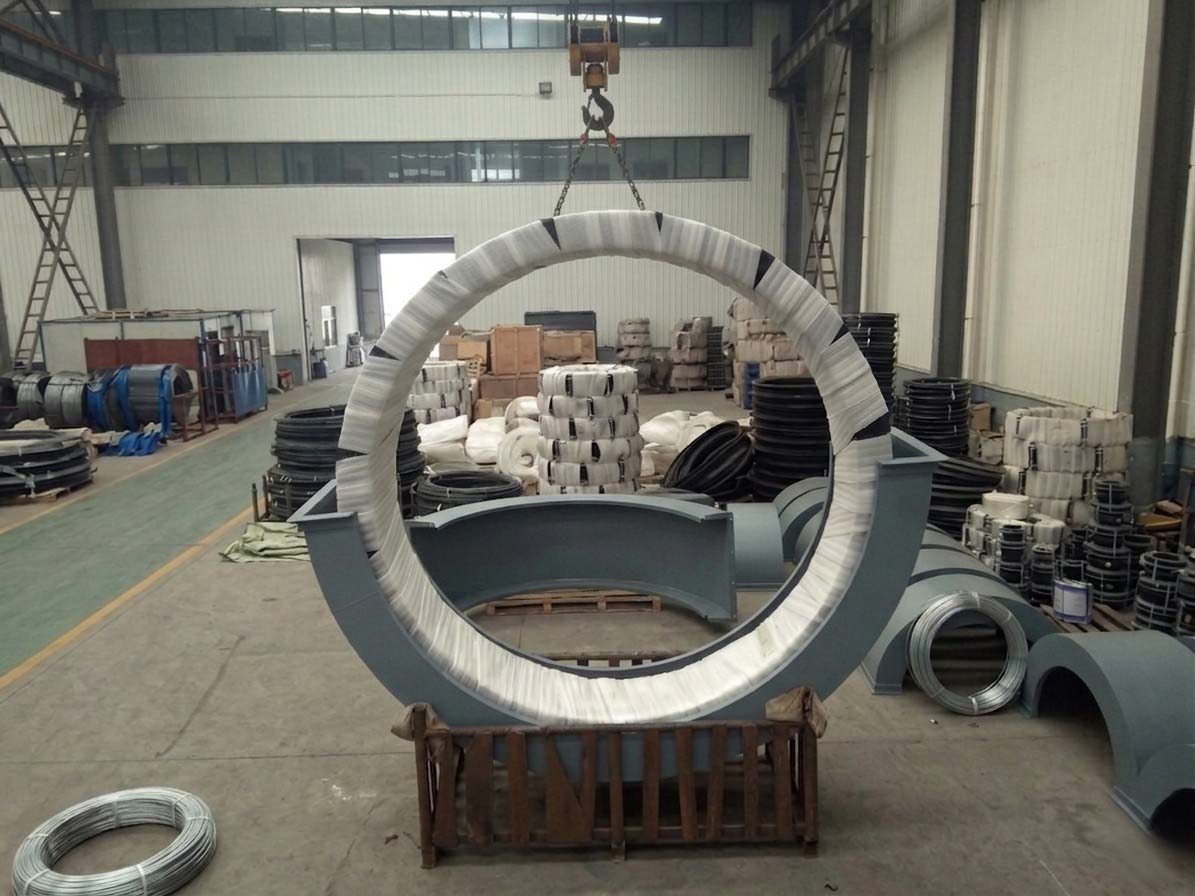
Figure 3: Securely loaded fabric compensators departing our facility today for direct site delivery.
The completed heavy-duty fabric expansion joints passed final quality inspection and were securely loaded for dispatch today. While the proactive technical alignment extended the contract timeline, it eliminated the risk of a catastrophic misfit during shutdown installation.
Need Custom Engineered Piping Components?
Our engineering team is ready to analyze your site parameters, draft blueprints, and deliver zero-error products.Get Technical Support Now