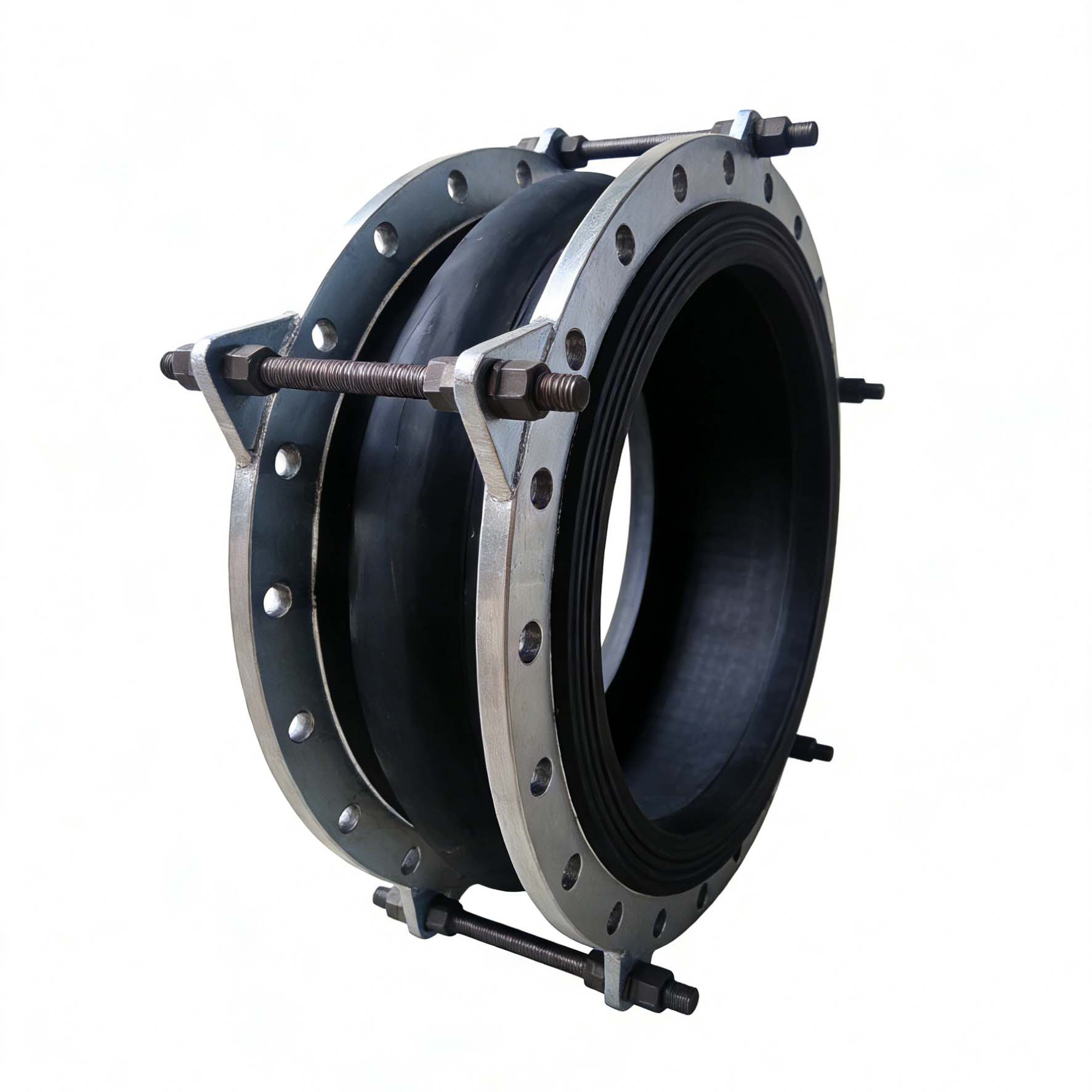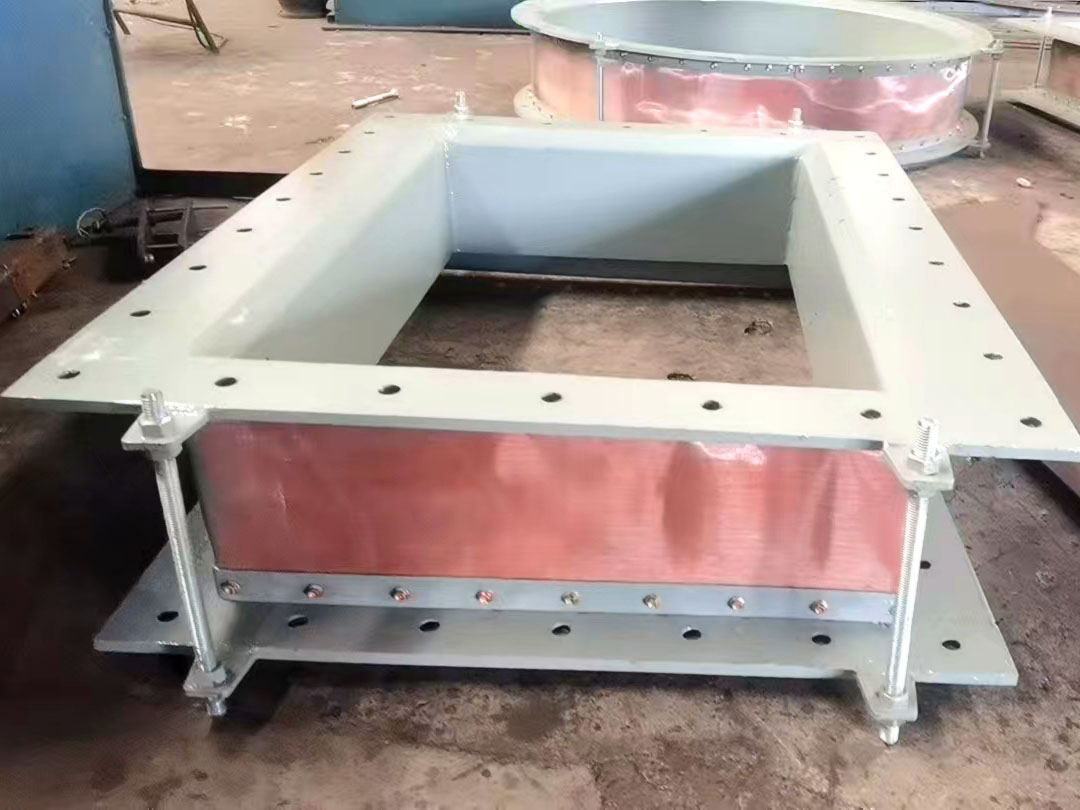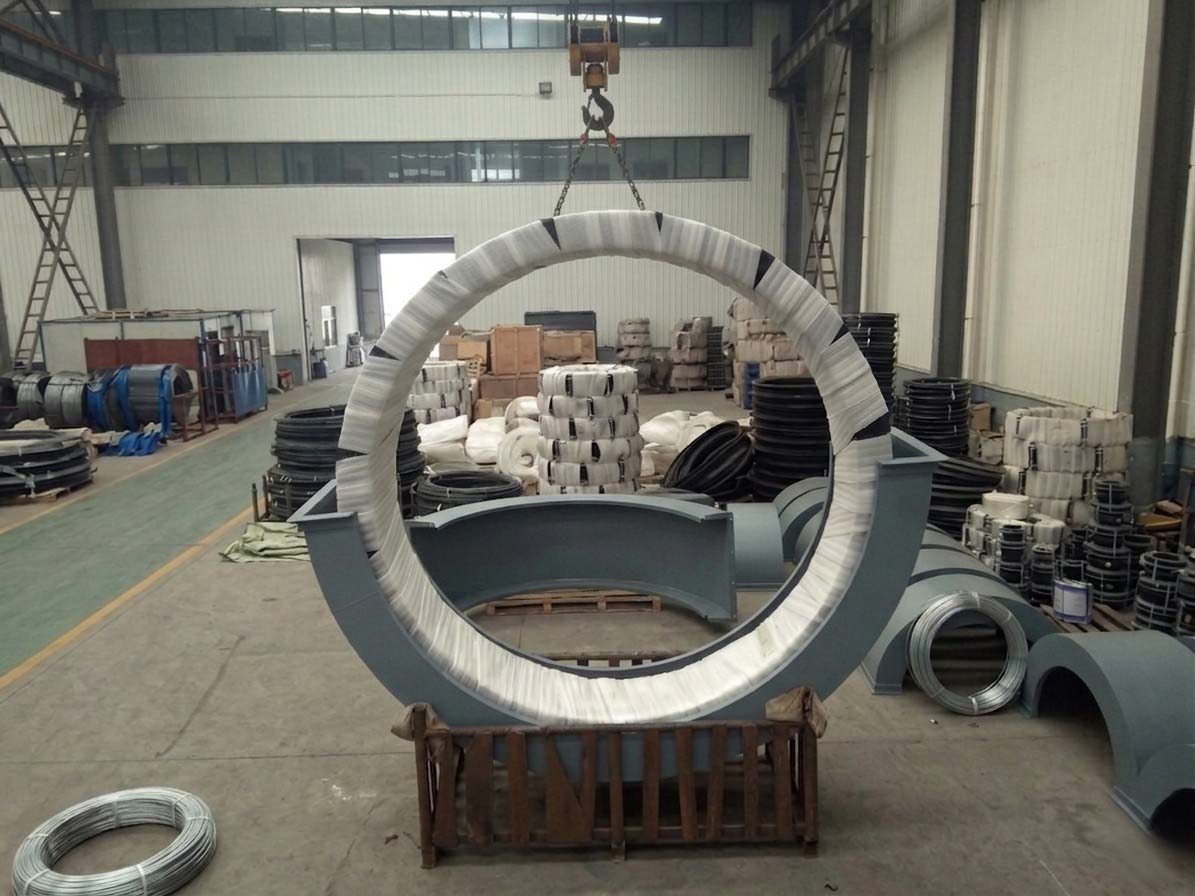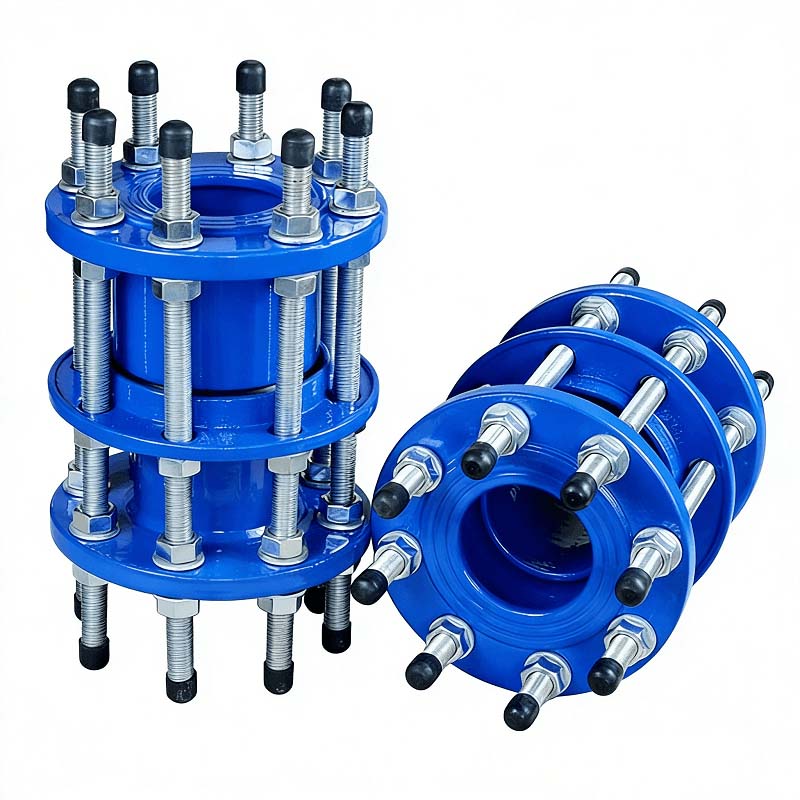

In modern industrial piping systems, rubber expansion joints (also known as rubber compensators) serve as critical components for absorbing thermal expansion, correcting misalignment, and dampening vibration. However, a common technical oversight in procurement is assuming that raw material compatibility automatically translates to finished product durability.
As an engineering-driven manufacturer, Henan Devel Fluid Equipment Co., Ltd. designs expansion joints as complex, multi-layered composite structures. To safeguard your plant operations against unexpected downtime, this technical guide provides an exhaustive breakdown of elastomer boundaries, physical characteristics, and medium limitations.
1. Elastomer Performance & Mechanical Specification Matrix
The parameters below are derived from standardized laboratory aging and vulcanized rubber immersion tests. They outline the baseline mechanical limitations crucial for proper system design:
| Rubber Material | Hardness (Shore A) | Tensile Strength (kg/cm²) | Max. Temperature | Ageing / Ozone | Gasoline / Benzene | Strong Acid / Alkali |
|---|---|---|---|---|---|---|
| EPDM (Ethylene Propylene) | 30–90 | 50–200 | 180°C | ◎ / ◎ | X / X | O / O |
| NBR (Nitrile Butadiene) | 15–100 | 50–250 | 130°C | O / X | ◎ / △-X | O / O |
| FKM (Fluorocarbon / Viton) | 50–90 | 70–200 | 300°C | ◎ / ◎ | ◎ / ◎ | ◎ / X |
| CR (Chloroprene / Neoprene) | 10–90 | 50–250 | 130°C | ◎ / ◎ | O / X | O / O |
| NR (Natural Rubber) | 10–100 | 30–300 | 100°C | O / X | X / X | △ / O |
Key: ◎ = Excellent; O = Good / Acceptable; △ = Conditional / Restricted; X = Unavailable.
*Note: Physical data corresponds to standard pure vulcanized compounds. Finished piping components incorporate high-tensile fabric/cord architectures to define ultimate burst pressure ratings.
2. Advanced Engineering Insights: Composite Structure Risk Control
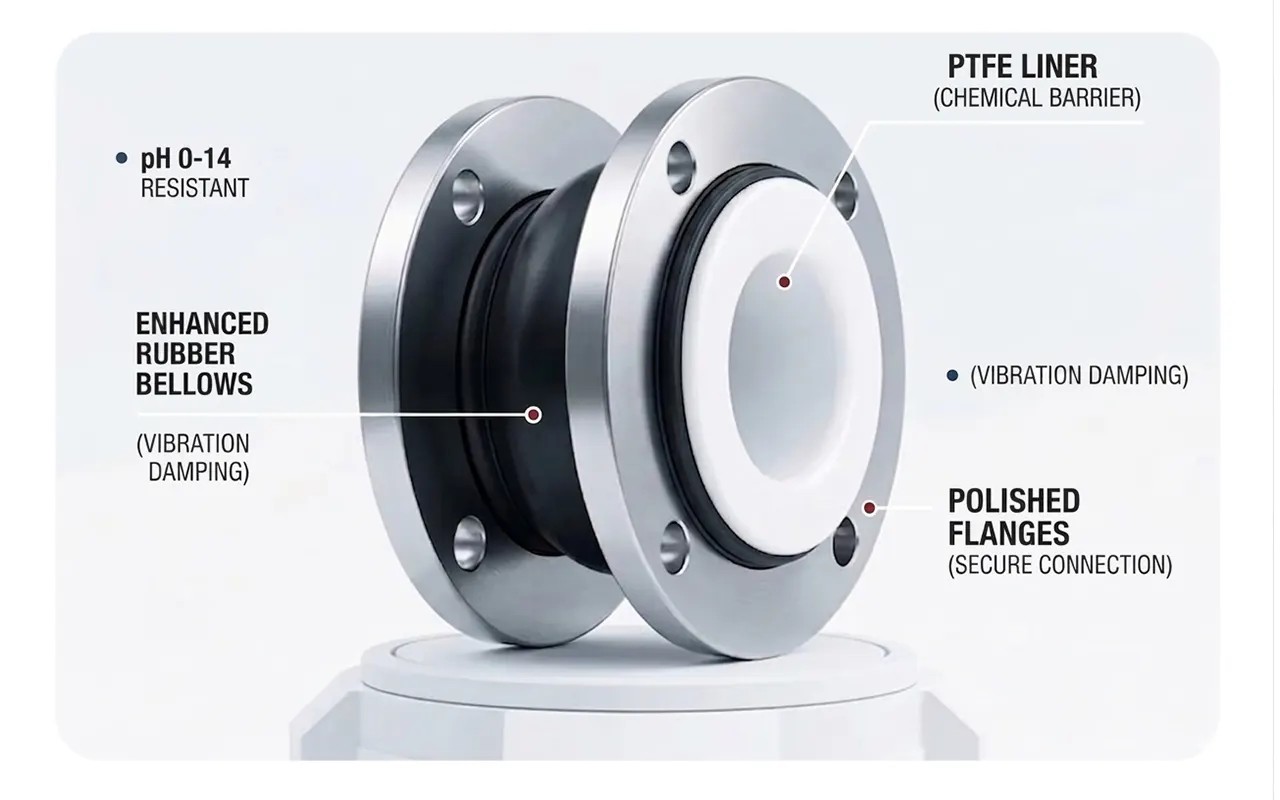
Critical Risk Assessment: Permeation vs. Reinforcement In severe chemical pipelines, joint failure is rarely caused by temperature alone. It is frequently caused by chemical permeation. Corrosive fluids can slowly migrate through the inner rubber tube. Once the chemical touches the internal synthetic fabric or wire reinforcement layers, it degrades the core structure, leading to unexpected structural blowouts. For hazardous, highly concentrated acid or vacuum applications, standard ratings do not apply; specific custom linings (such as PTFE-lined rubber joints) must be engineered.
3. Application-Specific Elastomer Selection Strategies
• Water Utilities, HVAC & Cooling Towers
Standard Compound: EPDM. Exceptional ozone and weathering resistance makes EPDM the baseline standard for water lines. It withstands intermittent heat cycles up to 180°C and maintains flexible sealing against common agricultural or alkaline runoffs.
• Petroleum, Fuel Processing & Hydrocarbon Lines
Standard Compound: NBR. Traditional elastomers will swell and lose structural integrity when exposed to petroleum products. NBR offers premium resistance to oils, greases, and fuels, combined with an outstanding physical wear threshold.
• Aggressive Chemical Media & High-Temperature Processes
Standard Compound: FKM (Viton). For chemical plants handling concentrated mineral acids or operating near 300°C, FKM represents the absolute margin of safety. Its ultra-dense fluorinated backbone provides uncompromised cross-linking stability.
4. Maintenance and O&M Field Checklist
- Semi-Annual Inspection Cycles: Evaluate outer rubber surfaces every 6 months for micro-cracking (checking), localized bulging, or hardness changes caused by environmental UV or ambient heat.
- Prohibit Installation Pre-stress: Expansion joints are engineered to absorb system dynamics, not to remedy poor pipeline alignment. Forcing a joint to bend or stretch to bridge wide installation gaps exponentially speeds up fatigue cracking.
- Thermal Flange Torque Management: Large thermal cycles can cause bolts to lose tension. Periodically verify mating flange torque to ensure clean surface sealing without crushing the integrated rubber bead.
Need a Tailored Material Consultation?
Every industrial plant presents unique operational stresses—combining specific chemical concentrations, multi-axis movements, and flow velocity profiles. Let our engineers perform a formal Material Compatibility & Pressure Rating analysis for your pipeline. Request Technical Consultation →