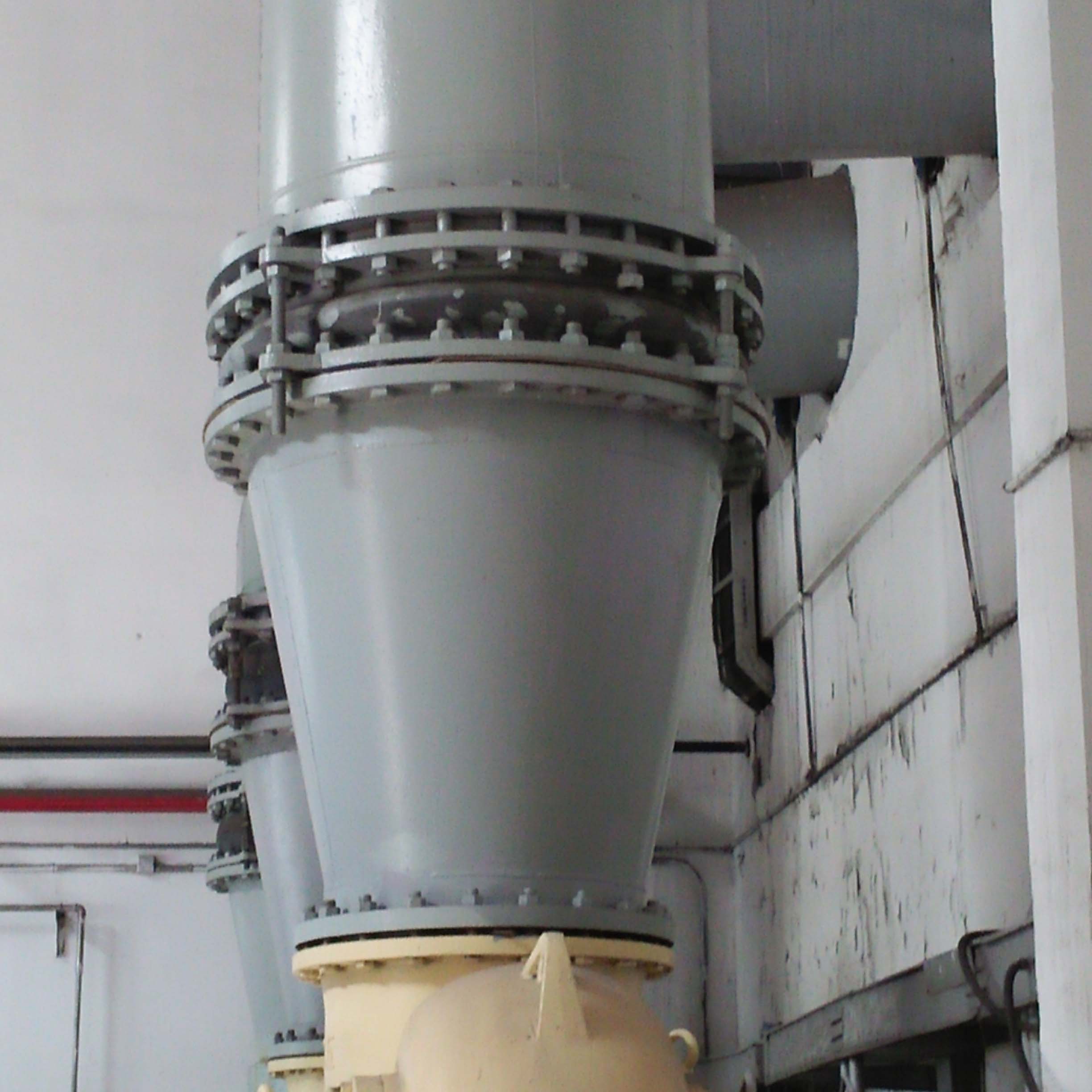




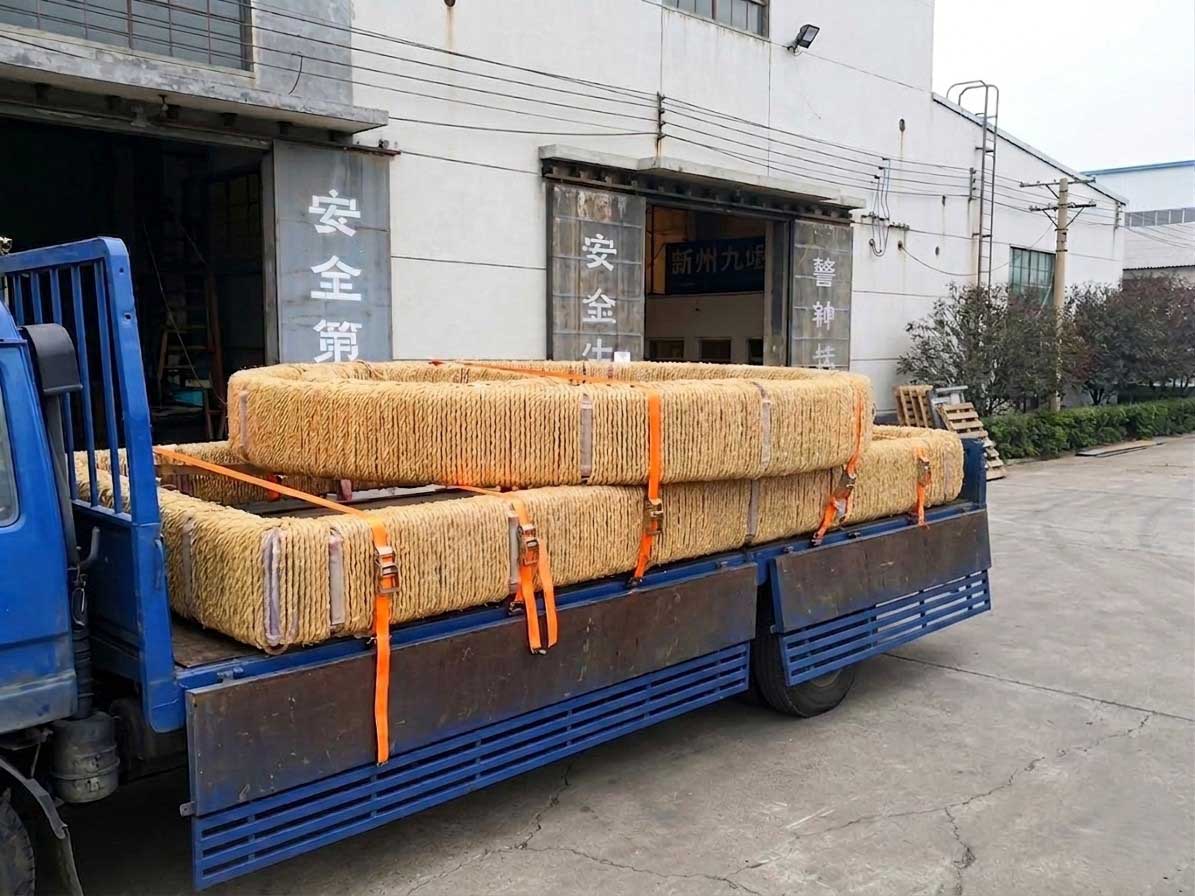
In heavy industrial flue gas systems, ventilation networks, and HVAC ducting, managing structural elongation and high-frequency acoustic vibration is critical for preserving systemic integrity. A Rectangular Duct Expansion Joint is a highly specialized mechanical component engineered to absorb multi-axis thermal expansion, offset movements, and structural misalignments in square or rectangular cross-section ductwork. Unlike conventional circular piping joints, rectangular geometries present severe structural challenges, particularly concerning non-uniform internal pressure distribution, severe corner stress concentration, and high aspect ratio variations under load.
1. Custom Engineering Framework for Harsh Ducting Conditions
Due to the absence of unified standard dimensions across industrial ducting networks, and given the massive spectrum of localized pressure-temperature combinations, off-the-shelf components are non-viable. Each rectangular duct expansion joint must be custom-engineered to match specific velocity matrices, duct load limits, and thermal expansion cycles. These heavy-duty connectors are extensively deployed in thermal power generation (SCR/FGD systems), steel smelting plants, petrochemical refining, and marine exhaust manifolds where low-pressure, high-temperature gas media are prevalent.
2. Bellows Geometry and Advanced Materials Classification
To resist chemical attacks from acidic flue gas condensates and operational temperatures shifting from cryogenic limits up to 1800°F (980°C), strict material select is mandatory. Structural steel frames and bellows convolutions are typically specified in premium 300-series stainless steels (SS304, SS316L), high-nickel superalloys (Inconel 625, Hastelloy), or atmospheric corrosion-resistant Corten steel to mitigate thermal scaling and premature sulfur dew-point corrosion.
The flexible convolute geometry—responsible for absorbing mechanical displacement—is manufactured in two distinct engineering profiles:
- V-Shape Profile Convolutions: Best utilized for minimal low-amplitude multi-axis displacements, providing exceptional structural rigidity under particulate-heavy gas streams.
- U-Shape Profile Convolutions: Engineered for severe, high-amplitude thermal expansion cycles. These can be configured with single or multiple continuous convolutions depending on the required axial compression and lateral offset limits.
3. The Technical Criticality of Corner Configuration Design
The weakest interface of any rectangular expansion joint assembly is its corner segments. Under internal pressure or mechanical movement, stress contours migrate heavily toward the corners. Selecting the correct engineered corner type is the primary factor dictating operational fatigue life:
| Corner Engineering Type | Structural Welded Configuration | Fatigue Life & Stress Profile |
|---|---|---|
| Single Miter Corner | Two straight sections are welded together precisely at the 45-degree apex line. | Standard fatigue life. Highest stress accumulation along the corner weld bead. Recommended for static, low-cycling applications. |
| Double Miter Corner | Utilizes a pre-formed, dedicated corner insert piece. Structural welds are relocated away from the high-stress apex. | Significantly extended service life. Drastically reduces structural stress localized at the weld joints under pressure cycles. |
| Rounded / Camera Corner | Convolutions are formed with a smooth, continuous radius corner without abrupt geometric angles. | Optimal fluid dynamics. Completely eliminates geometric stress concentration points. Best for high-velocity particulate flow profiles. |
4. Performance Compliance, Testing, and Auxiliary Hardware
DEVEL industrial rectangular expansion joints are meticulously engineered in accordance with global technical standards, conforming directly to the EJMA (Expansion Joint Manufacturers Association) formulation codes for rectangular calculations, alongside ASME Section VIII design criteria. To enhance field longevity in high-velocity or ash-heavy systems, the core assembly can be reinforced with specialized auxiliary hardware:
Internal Flow Liners (Baffles): Protects the internal convolutions from direct particulate abrasion, eliminates aerodynamic turbulence, and prevents dangerous harmonic resonance induced by high-velocity gas flows.
External Shrouds (Covers): Shield the flexible convolutions from external mechanical damage, environmental slag accumulation, and chemical spillages in outdoor installations.
Control Units and Limit Rods: Prevent over-extension or excessive compression during unpredicted systemic thermal shifts, ensuring the joint remains within its exact design tolerance envelope.
Quality assurance includes non-destructive testing (NDT), forcing mandatory dye-penetrant (PT) examinations on all load-bearing structural welds and vacuum/pressure leak-detection validations prior to shipment release.
5. Material Separation: Fabric Belts vs. Metal Bellows
Depending on the operating medium, engineers must delineate between metal bellows and non-metallic fabric duct expansion joints. While metallic joints provide a robust, pressure-tight boundary for harsh gaseous compounds, non-metallic fabric expansion joints (multi-layer fabric belts containing PTFE, fiberglass, and silicone) offer virtually zero structural resistance, allowing them to absorb immense lateral offsets and axial movements simultaneously within short face-to-face dimensions. Fabric belts are highly efficient in low-pressure, high-temperature air ducts where gas tightness is achieved via advanced fluoropolymer chemical barriers.
6. Engineering Collaboration and Asset Optimization
DEVEL is a precision manufacturer of high-pressure and critical fluid control equipment, offering custom-tailored industrial piping and ducting layout solutions. Our engineering division provides direct technical package reviews, analyzing localized duct thermal movements, particulate density vectors, and structural space constraints to generate long-life double-miter or camera-corner layouts. Sourcing teams, project EPCs, and design institutes can transmit specialized data sheets and system drawings directly to our engineering division for structural evaluation and technical procurement estimation.