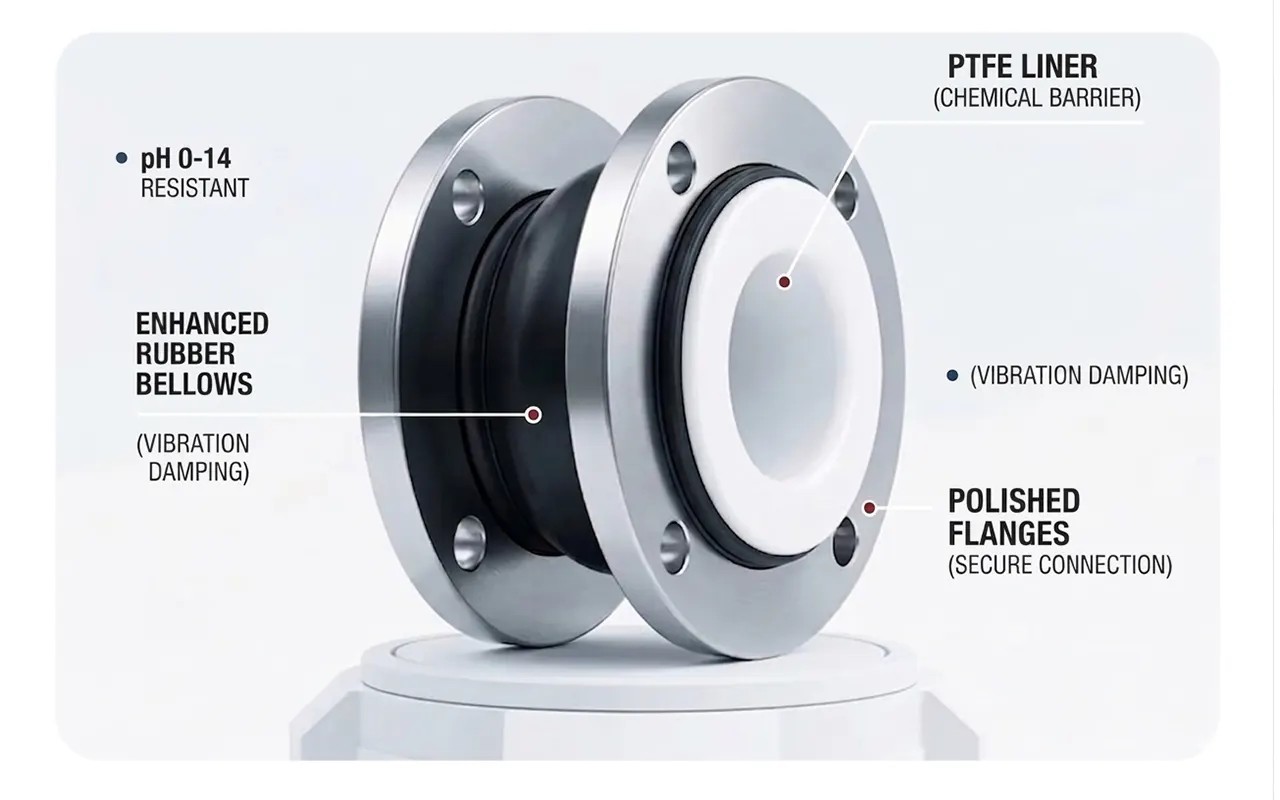

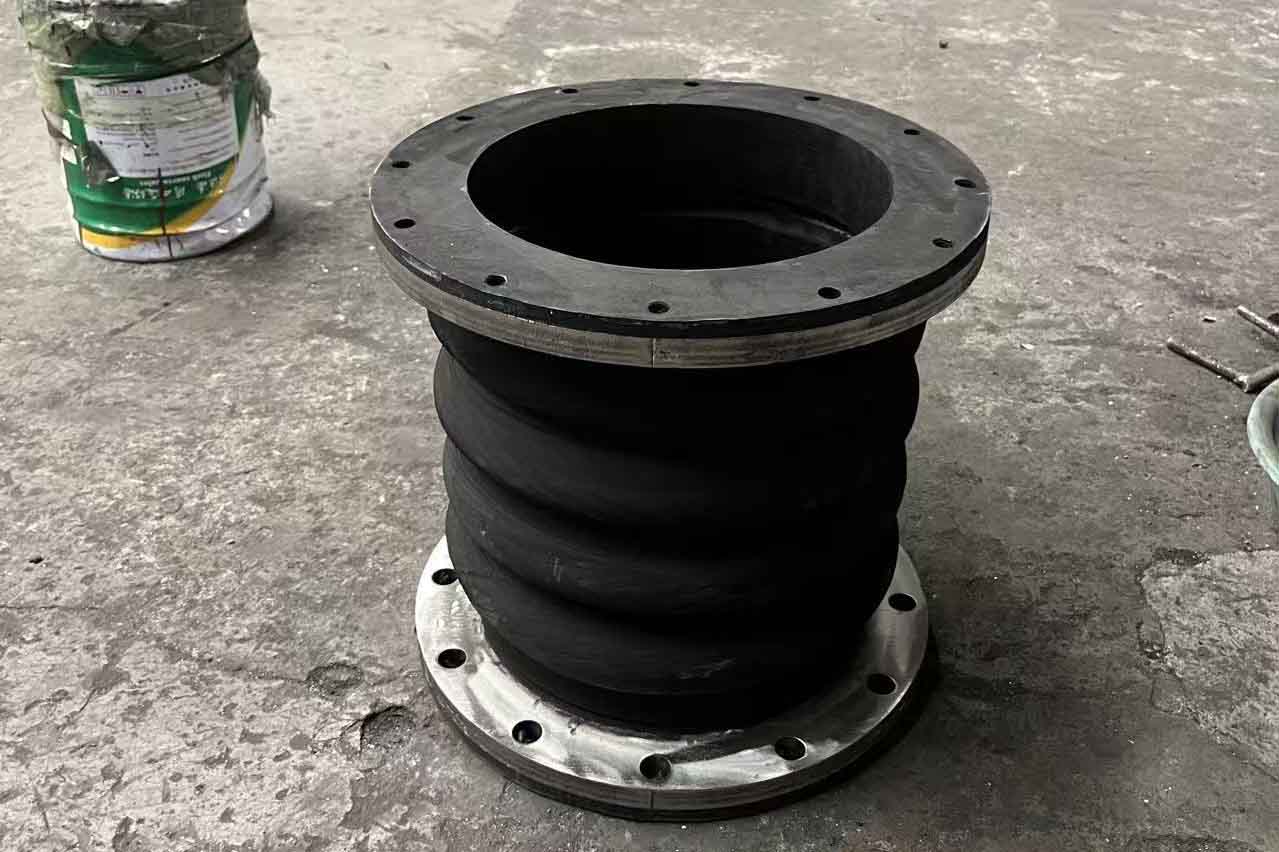
Introduction:
As automation and smart manufacturing advance at an unprecedented pace, the complexity of industrial systems is rising exponentially. For enterprises, even a one-in-a-million system deviation can trigger a costly chain reaction, leading to unplanned production line downtime and catastrophic economic losses. How can companies ensure continuous, stable operation under complex and harsh working conditions? The answer lies in a seemingly low-profile yet critical component: the Compensator.
Serving as both the “mediator” and “safety guard” of modern industrial control systems, compensators actively intervene and precisely adjust parameters, comprehensively fortifying the reliability of industrial operations.
1. Four Core Mechanisms: Moving from “Reactive Maintenance” to “Proactive Defense”
Traditional control systems often operate on a “fix-it-when-it-breaks” basis. In contrast, compensators utilize feedback control theory to establish a robust, end-to-end “proactive defense” system:
- Millisecond-Level Dynamic Error CorrectionSystem deviations are inevitable during operation. Compensators continuously monitor the gap between real-time output and expected values, executing subtle, ongoing micro-adjustments. This seamless correction mechanism prevents minor errors from accumulating into catastrophic equipment failures.
- Robust Anti-Interference in Harsh EnvironmentsIndustrial sites are plagued by external disturbances such as power grid fluctuations, sudden load changes, and extreme ambient temperature shifts. Compensators respond rapidly with counter-compensation, ensuring the system remains rock-solid even in non-ideal environments.
- Trend Analysis for Predictive MaintenanceIntegrated with advanced sensing technologies, next-generation compensators can analyze parameter drift trends. They do not just solve current anomalies—they forecast potential failure risks, providing data-driven insights for preventive maintenance and eliminating unexpected shutdowns.
- Redundancy Safeguards to Prevent System CollapseIn mission-critical systems, compensators are often integrated into the redundancy design. If the main control system experiences a localized fault, the compensator swiftly takes over partial or full control functions, ensuring a “safe degradation” rather than a total system crash.
2. Cross-Industry Empowerment: Solving Core Pain Points Across 4 Major Sectors
The application of compensators extends far beyond any single industry. In fields vital to the global economy—such as power, precision machinery, telecommunications, and chemical processing—they serve as the unsung heroes of operational stability:
| Application Scenario | Industry Pain Points | Compensator Solutions | Ultimate Business Benefits |
| Modern Power Grids | Voltage fluctuations, high line losses, blackout risks | Reactive Power Compensation | Suppresses voltage flicker, reduces energy consumption, and secures grid stability. |
| Precision Machinery (CNC) | Thermal expansion altering structural machining accuracy | Thermal Expansion Displacement Compensation | Eliminates dimensional deviations caused by temperature shifts; extends tool lifespan. |
| Telecom Networks | Signal latency causing data packet misalignment | Dynamic Delay Compensation | Predicts and realigns data packets, ensuring uninterrupted real-time communication. |
| Chemical Process Control | Uncontrolled pH levels leading to severe safety hazards | pH Precise Dynamic Compensation | Stabilizes reaction conditions, improves product consistency, and prevents corrosion risks. |
3. Breaking Bottlenecks: The Future of Smart and Predictive Compensation
While compensators are indispensable for enhancing system reliability, practical engineering still presents challenges, such as increased system complexity, difficult multi-variable parameter tuning, and delayed responses to extreme, sudden shocks.
To break through these technical ceilings, next-generation compensation technology is evolving rapidly in three directions:
- AI and Intelligent Integration: Incorporating machine learning algorithms allows compensators to autonomously learn from real-time operating data, enabling model-free, self-adaptive parameter tuning.
- Distributed Collaborative Architecture: Dispersing compensation functions across multiple control nodes builds a decentralized network. If a single point fails, the rest of the system compensates, exponentially increasing overall fault tolerance.
- Multi-Functional Integration: Future compensators will transform from standalone adjustment tools into comprehensive intelligent terminals that integrate state diagnosis, fault warning, energy optimization, and precision compensation.
Conclusion
In an era where industrial operations demand absolute safety and peak efficiency, compensators are no longer just a technical choice for parameter optimization—they are a strategic investment to ensure continuous production and mitigate corporate operational risks.
As a leading innovator deep-rooted in the industrial fluid equipment industry, Henan Devel Fluid Equipment Co., Ltd. is consistently dedicated to engineered excellence. By delivering premium-tier, high-reliability compensation solutions, we empower global enterprises to smoothly transition into smarter, safer, and more stable manufacturing ecosystems. Implementing an advanced compensation strategy is no longer optional; it has become the hallmark of modern, reliable industrial leadership.