
I. Introduction & Industrial Applications
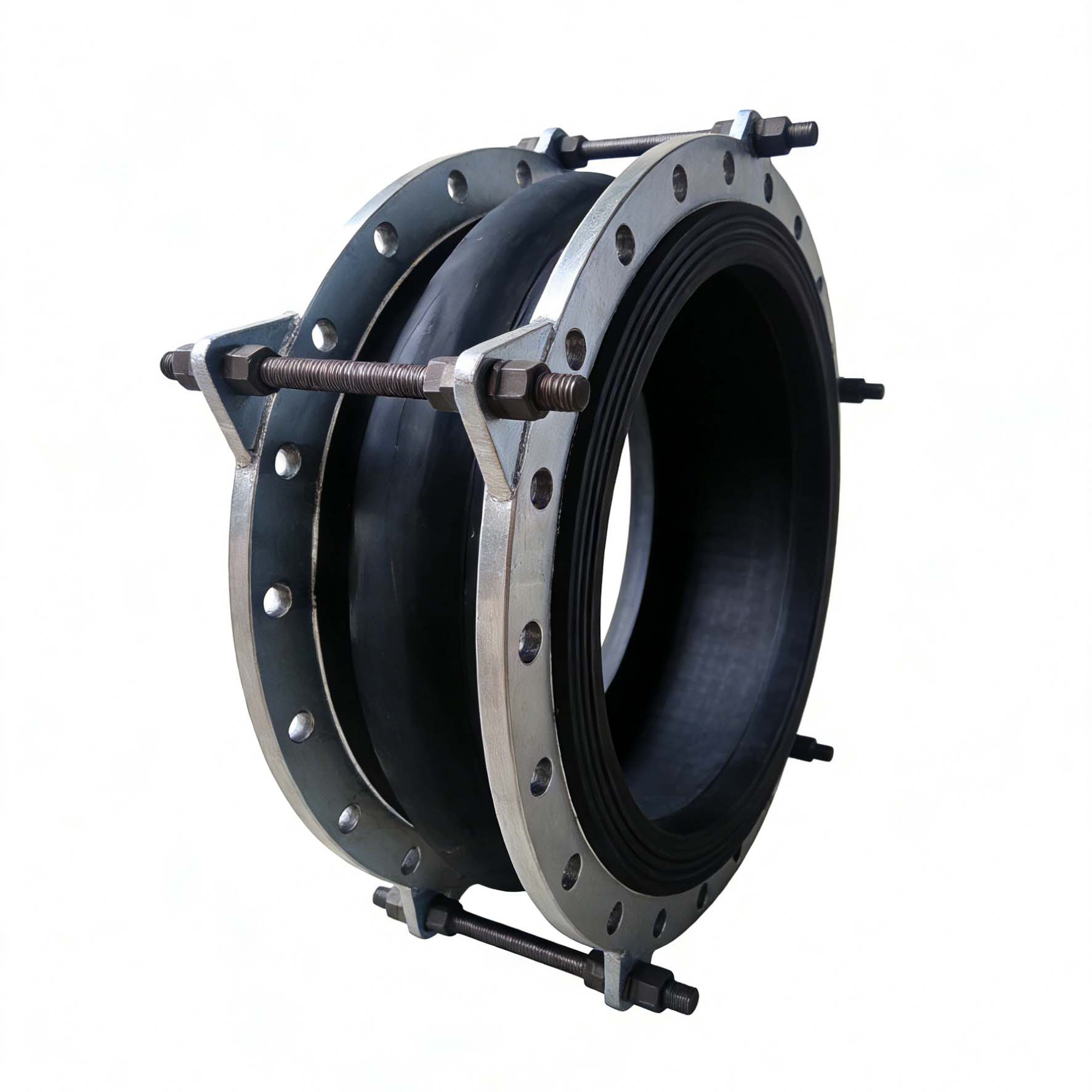
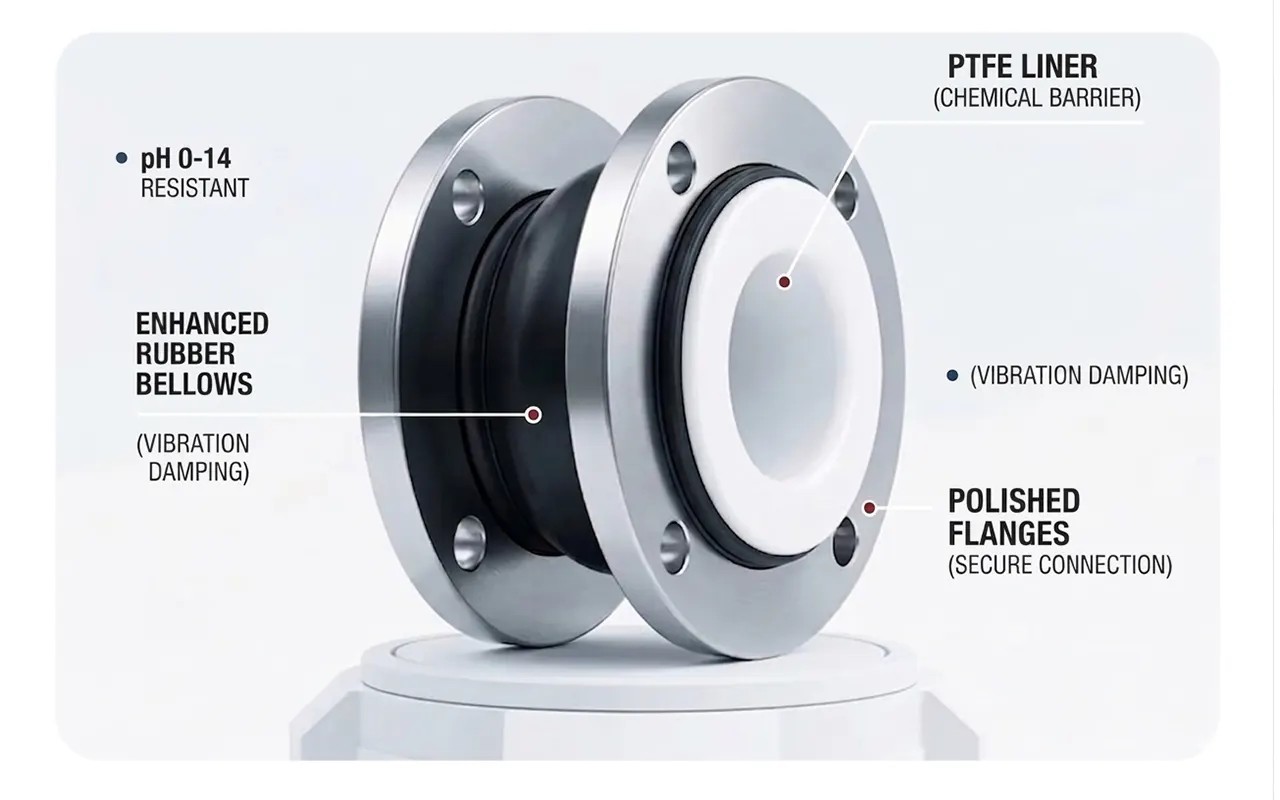
With the acceleration of global industrialization, heavy-duty flexible rubber expansion joints (also known as rubber soft connectors) have become an indispensable component in modern industrial piping engineering. Composed of a premium inner rubber liner, a multi-layer nylon cord reinforcement fabric, and a weather-resistant outer elastomer cover, these flexible pipeline connectors offer exceptional performance in thermal displacement compensation, structural vibration isolation, noise reduction, and chemical corrosion resistance.
As a critical fluid control component, they are widely utilized across demanding industrial sectors, including raw water and wastewater treatment plants, thermal power plant cooling loops, metallurgical condensation systems, chemical media transport pipelines, and petrochemical cooling systems.
However, during actual fluid handling operation, factors such as manufacturing flaws, improper piping system design, and harsh field installation environments can cause early rubber joint failure, including surface cracking or catastrophic flange pull-out. To guarantee the safety and stability of high-pressure piping systems, this technical guide provides a detailed analysis of the 5 core causes of rubber expansion joint cracking and delivers comprehensive, closed-loop solutions spanning manufacturing quality control, engineering design, and pipeline installation.
II. Root Cause Analysis & Technical Solutions for Rubber Joint Cracking
To address the common pain points of premature cracking during pipeline construction and system operation, we implement a targeted problem-to-solution engineering management approach:
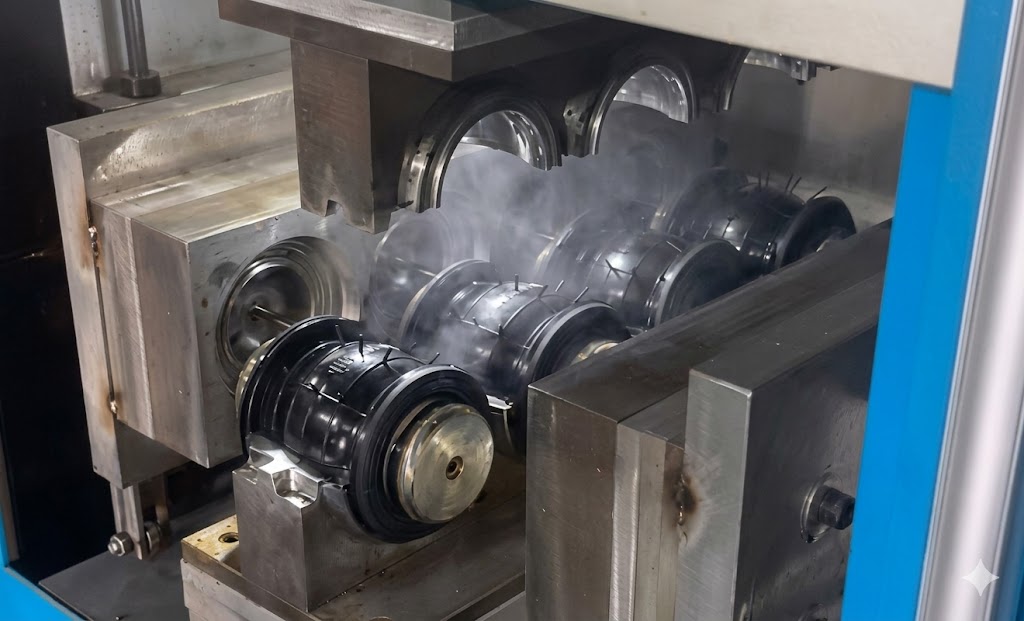
- Manufacturing Process Defects: Insufficient Vulcanization & Low Bonding Strength
- The Problem: The structural integrity of the rubber joint body relies on the precise composite vulcanization of the inner/outer rubber layers and the rubber-scraped nylon cord fabric. If the curing parameters (temperature, pressure, or time) are poorly controlled during production, the rubber undergoes insufficient vulcanization. This significantly lowers the material tensile strength at the joints, making them highly susceptible to cracking under cyclic pressure and stress.
- The Solution:
- Smart Vulcanization Control: Strictly regulate production curing parameters using digital temperature control systems to ensure complete vulcanization across all sections of the sphere, maximizing molecular cross-linking density.
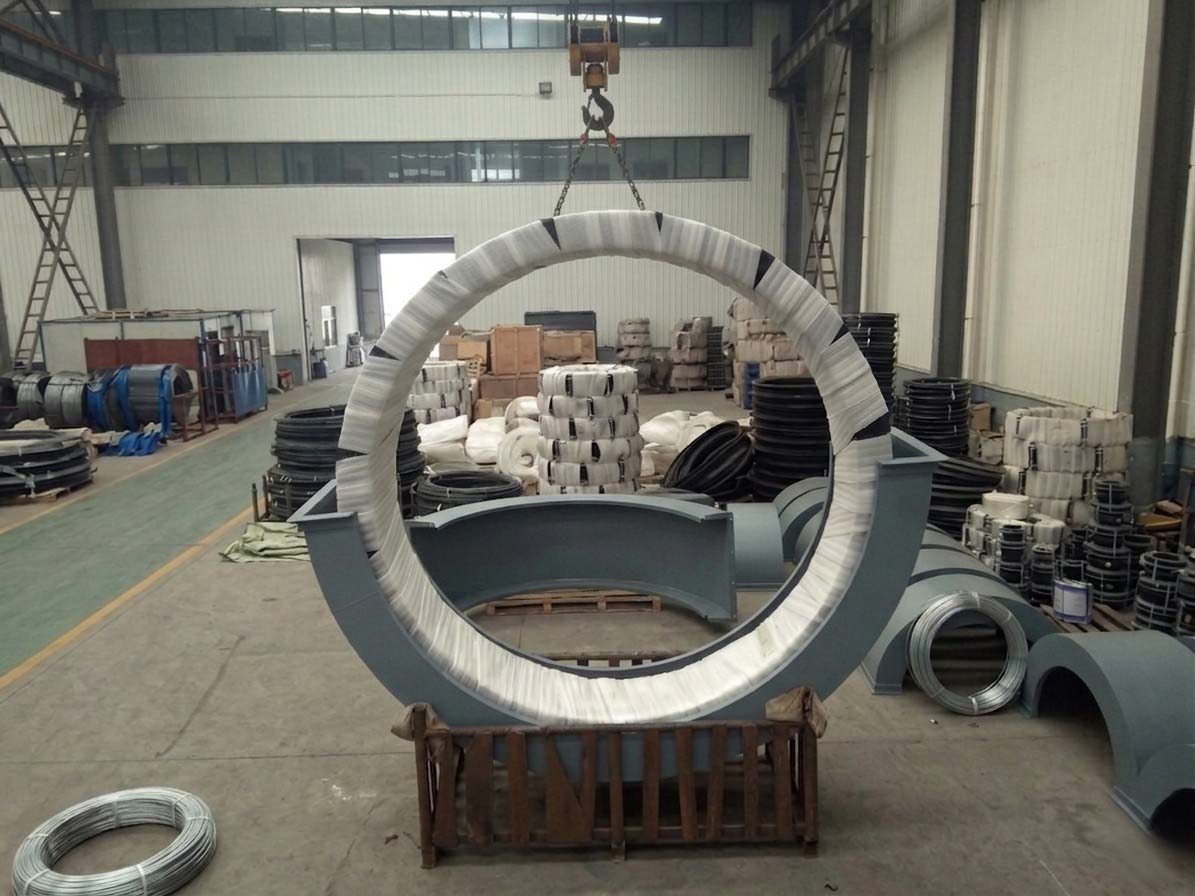
- Interface Reinforcement Technology: Optimize the layering and adhesive-scraping process of the multi-layer nylon cord, ensuring perfect integration between the reinforcement layer and the rubber layers to enhance overall mechanical strength from the source.
- Engineering Design & Selection Overload: Forced Stretching & Excessive Displacement
- The Problem: During pipeline assembly, the actual thermal expansion, contraction, or structural settlement of the piping system exceeds the rated axial, lateral, or angular compensation limit of the rubber joint. Forcing the flexible joint to bridge misaligned gaps or arbitrarily expanding its allowable movement envelope keeps the elastomer in a chronic state of over-tension, leading to fatigue cracking or structural pull-out.
- The Solution:
- Precise Pipeline Displacement Calculation: In the engineering design phase, project engineers must accurately calculate the actual pipeline displacement based on pipe material, medium temperature, segment length, and linear thermal expansion coefficients.
- Safety Margin Selection: Select rubber joints with rated compensation capacities that match or exceed the calculated requirements. Forced stretching or severe misalignment during installation is strictly prohibited.
- High-Pressure / High-Stress Zones: Stress Concentration at Pipe Bends and Blind Ends
- The Problem: At high-pressure pipelines, blind ends, or 90-degree pipe bends, fluid impact generates a massive internal blind plate force (thrust force). Without proper mechanical restraint, the flexible rubber joint bears immense shear and tensile stress, leading to localized tearing and blowing out from the backing flanges.
- The Solution:
- Mandatory Installation of Tie-Rod Control Units: For high-pressure conditions (typically over 1.0 MPa) and at unanchored pipe bends, heavy-duty tie-rod control units must be mandatorily installed on the exterior of the rubber joint to limit excessive axial movement within safe parameters.
- Fixed Pipe Anchor Foundations: Sturdy pipe anchors, guide supports, or concrete thrust blocks must be constructed at bends and force-bearing points to divert fluid impact away from the flexible rubber joint.
- Environmental Aging & Weather Extremes: UV Exposure and Sub-zero Temperatures
- The Problem: As high-polymer materials, rubber joints exposed to outdoor environments, intense sunlight (UV radiation), or temperatures below their chemical design limit experience molecular chain scission. This environmental brittleness accelerates surface micro-cracking and ozone cracking, which eventually propagates deep into the fabric reinforcement layer.
- The Solution:
- Application-Specific Material Selection: Match the compound precisely to the environment, offering customized elastomer grades such as EPDM for heat/aging resistance, NBR for oil resistance, or Viton (FKM) for extreme chemical corrosion.
- Physical Weather Shielding: For outdoor piping installations, implement protective measures such as installing sunshades, insulation jackets, or applying anti-aging protective coatings to prevent direct UV degradation and extreme frost damage.
- Equipment & Raw Material Degradation: Machine Instability and Compound Scorched
- The Problem: Substandard vulcanization machinery, compound degradation (pre-vulcanization/scorching), over-buffing that damages the nylon cords, or rusted internal steel wire reinforcement rings will compromise structural integrity, leading to sudden, brittle failures at the joint face.
- The Solution:
- Supply Chain & Equipment Quality Control: Maintain and calibrate all vulcanization machinery regularly. Enforce strict inventory management for raw compounds to prevent the use of degraded or expired materials.
- Precision Processing: Standardize the buffing process to eliminate any damage to the nylon cord reinforcement layer. All internal steel wire rings must undergo strict anti-rust treatments to ensure long-term structural integrity.
III. Flexible Rubber Joint Specification & Material Selection Guide
To assist industrial procurement and engineering teams in rapid fluid control selection, and to prevent rubber cracking caused by chemical or temperature mismatch, please refer to our engineering selection guide below:
- Raw Water, Wastewater, General Cooling Loops Recommended Elastomer: Natural Rubber (NR) / SBR Core Performance Advantages: High-tensile strength, excellent overall mechanical resilience, high elasticity, and superior wear resistance.
- High-Temp Water, Dilute Acids/Alkalis, Outdoor Anti-Aging Recommended Elastomer: EPDM Rubber Expansion Joint Core Performance Advantages: Exceptional heat resistance, ozone resistance, weather aging resistance, and chemical stability for outdoor installations.
- Hydraulic Oils, Lubricants, Petrochemical Cooling Oils Recommended Elastomer: NBR (Nitrile) Rubber Joint Core Performance Advantages: Premium oil resistance and petroleum abrasion resistance; completely prevents hydrocarbon swelling, softening, and subsequent cracking.
- Strong Acids, Strong Alkalis, High-Temp Aggressive Chemicals Recommended Elastomer: Fluororubber (FKM / Viton) Core Performance Advantages: Ultimate chemical resistance, high-temperature tolerance (over 150 degrees Celsius), engineered for the most aggressive chemical processing environments.
- Granular, Powdered Materials, Highly Abrasive Slurry Media Recommended Elastomer: Special Anti-Abrasion Rubber Core Performance Advantages: Engineered specifically for mining slurry, cement, or pneumatic powder transport; offers superior scratch resistance and extended wear life.
IV. B2B Industrial Fluid Control Supplier Commitment
While rubber expansion joints represent a small fraction of an industrial piping project’s total cost, they are critical to the operational safety and pipeline stress relief of the entire plant. Resolving cracking issues requires a three-pronged approach: strict manufacturing quality control, scientific system design, and standardized pipeline installation practices.
As a leading industrial fluid control equipment manufacturer, we provide more than just premium flexible rubber joints—we offer proactive pipeline displacement calculations, material customization for complex chemical mediums, and expert on-site installation technical guidance. Should you encounter any technical challenges or require custom dimensions for your piping construction, please contact our engineering team today for a tailored, high-performance flexible connection solution.