


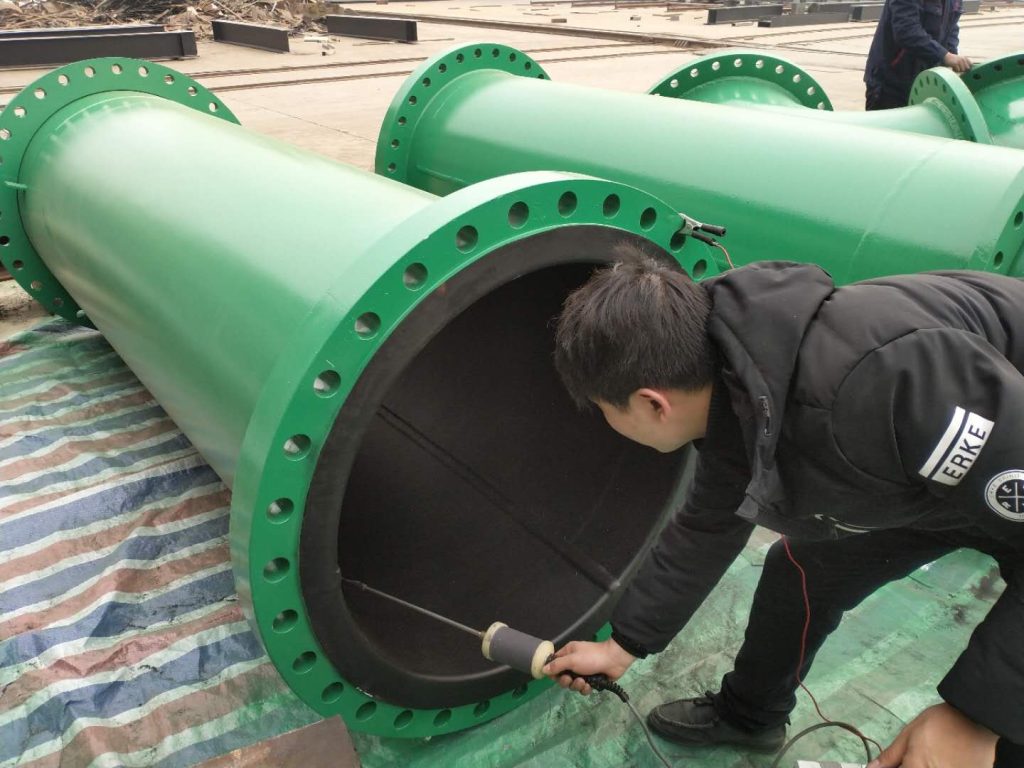
In modern industrial fluid transport, the battle against erosive wear, chemical corrosion, and extreme thermal fluctuations is constant. DEVEL is proud to showcase its advanced Rubber-Lined Piping solutions, precisely engineered to bridge the gap between structural metallic strength and high-elastomer material flexibility. For industries handling abrasive slurries, corrosive chemicals, and mining tailings, selecting the correct lining architecture is the ultimate factor in asset longevity.
What is Rubber-Lined Piping?
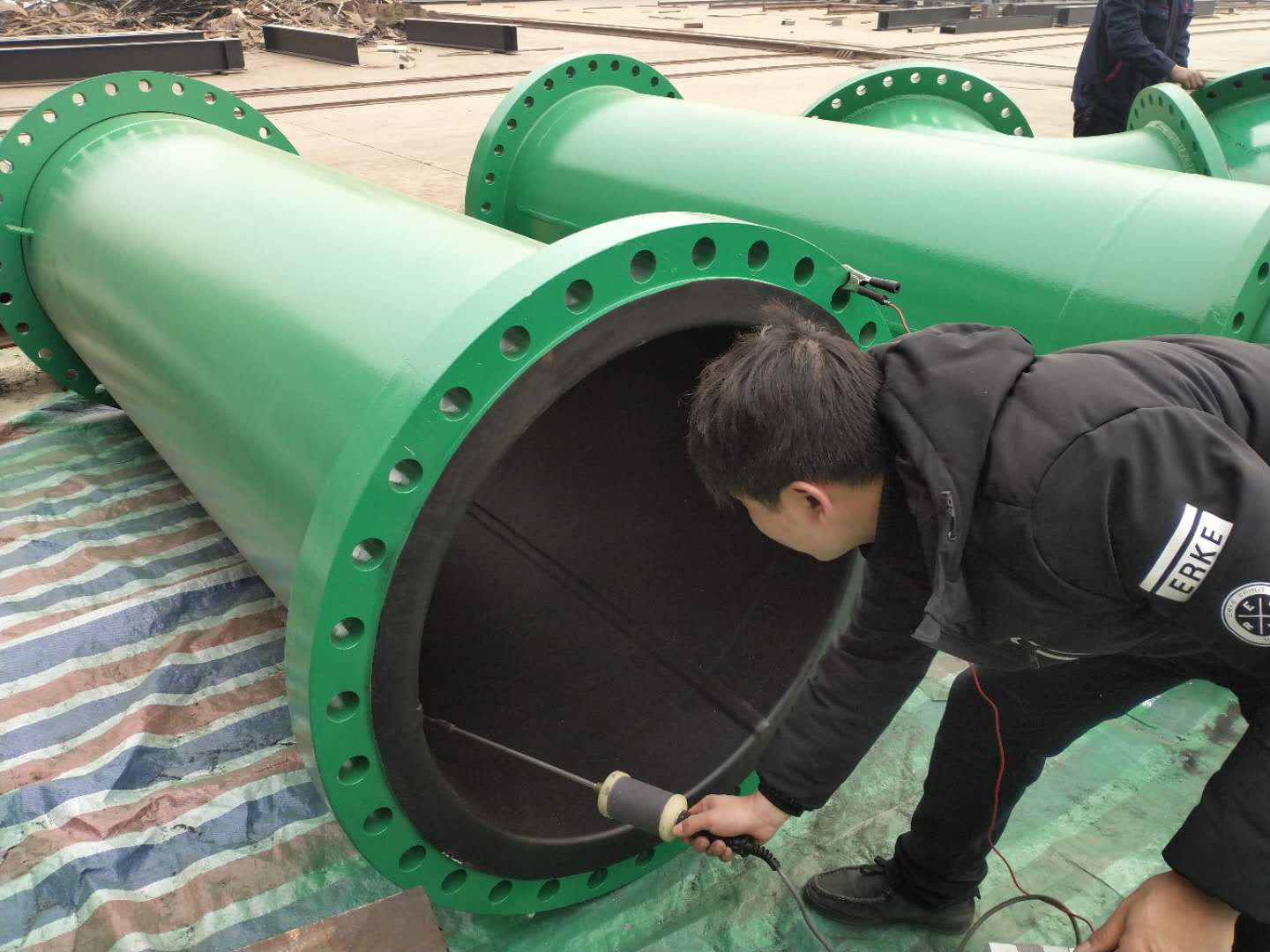
Rubber-lined piping systems feature a rigid carbon steel outer shell integrated with a specialized vulcanized rubber inner layer. This design leverages the principle of resilient elasticity against mechanical wear, utilizing the unique physical and electrochemical properties of rubber compounds to buffer the high-velocity impact of transported media. By shielding the external steel substrate from direct exposure to corrosive fluids and abrasive solids, these composite pipes significantly extend infrastructure service life while lowering total cost of ownership (TCO).
Key Technical Advantages of DEVEL Systems
To deliver true operational excellence, our engineering team focuses on the cross-linking chemistry of elastomers and precise autoclave vulcanization. Here is what sets DEVEL apart:
- Superior Composite Adhesion: By bonding the heavy-duty steel skeleton with a high-performance rubber matrix using proprietary, heat-activated chemical adhesives, DEVEL overcomes the traditional failure modes of standalone materials. Unlike brittle fiberglass (FRP) which cracks under mechanical shock, or pressure-sensitive plastics like PVC, our steel-rubber interface resists delamination even under full vacuum conditions.
- High Impact & Seismic Resilience: The low-density rubber elastomers provide exceptional vibration damping and acoustic insulation. The pipeline remains structurally rigid without “creeping” over time under constant load. Furthermore, it offers high resistance to water hammer effects and transient pressure surges, simplifying support bracket design and field maintenance.
- Extreme Temperature & Chemical Adaptability: Specially formulated for rigorous environments like thermal power plant desulfurization (FGD) and chemical processing, these pipes operate reliably between -50°C and +150°C. The inner lining is engineered to match the thermal expansion coefficient of the outer steel shell, preventing thermal stress cracks during rapid climate shifts.
- Optimized Energy Efficiency: The smooth, low-friction coefficient of the internal rubber surface prevents scaling and bio-fouling. This drastically reduces hydraulic flow resistance, resulting in lower pumping power requirements and massive long-term electricity savings.
Technical Specifications: Rubber Compounds Comparison
| Rubber Type | Primary Advantage | Typical Industrial Applications |
|---|---|---|
| Natural Rubber (Soft) | Extreme abrasion resistance, high elasticity | Mining slurry, sand discharge, tailings transport |
| Chlorobutyl / EPDM | High temperature limits, excellent acid/alkali resistance | Power plant FGD desulfurization, chemical dosing lines |
| Neoprene / Nitrile | Outstanding oil, hydrocarbon, and grease resistance | Petrochemical piping, oily wastewater treatment plants |
Sustainability and Asset Lifecycle Management
DEVEL’s heavy-duty rubber-lined piping systems are built for long-term industrial deployment, boasting a theoretical service life exceeding 15 years under standardized operational parameters. To help maintenance engineers extract maximum ROI from their piping networks, we recommend implementing two core predictive maintenance protocols:
1. Planned Rotational Maintenance: Due to gravity, the bottom 90-degree quadrant of a horizontal slurry pipe experiences accelerated abrasive wear compared to the top quadrant. Rotating the entire pipe spool by exactly 90 degrees after 6 to 8 years of continuous operation redistributes the wear zone, effectively doubling the operational lifespan of the internal elastomer.
2. Renewable Cold/Hot Vulcanized Re-Lining: When the inner rubber lining eventually reaches its wear limit, the structural steel shell remains perfectly intact. DEVEL offers professional stripping and re-lining services. The steel skeleton can be re-vulcanized up to four times, cutting down raw material procurement costs by up to 60% and drastically reducing project lead times compared to buying completely new pipe spools.
Partner with DEVEL for Heavy-Duty Fluid Solutions
With deep engineering expertise in material science and fluid control, DEVEL provides custom-engineered piping solutions tailored to combat severe erosion and chemical degradation. We do not merely supply generic components; we analyze your flow velocity, chemical composition, and particle size distribution to deliver optimized operational security.
Looking for custom flange dimensions, specific pressure ratings, or dedicated rubber-lining compounds for your plant infrastructure? Contact our technical sales and engineering division today to receive a comprehensive technical proposal.